Considering Living in Mendota Heights MN? Start Here
May 14, 2026
May 14, 2026
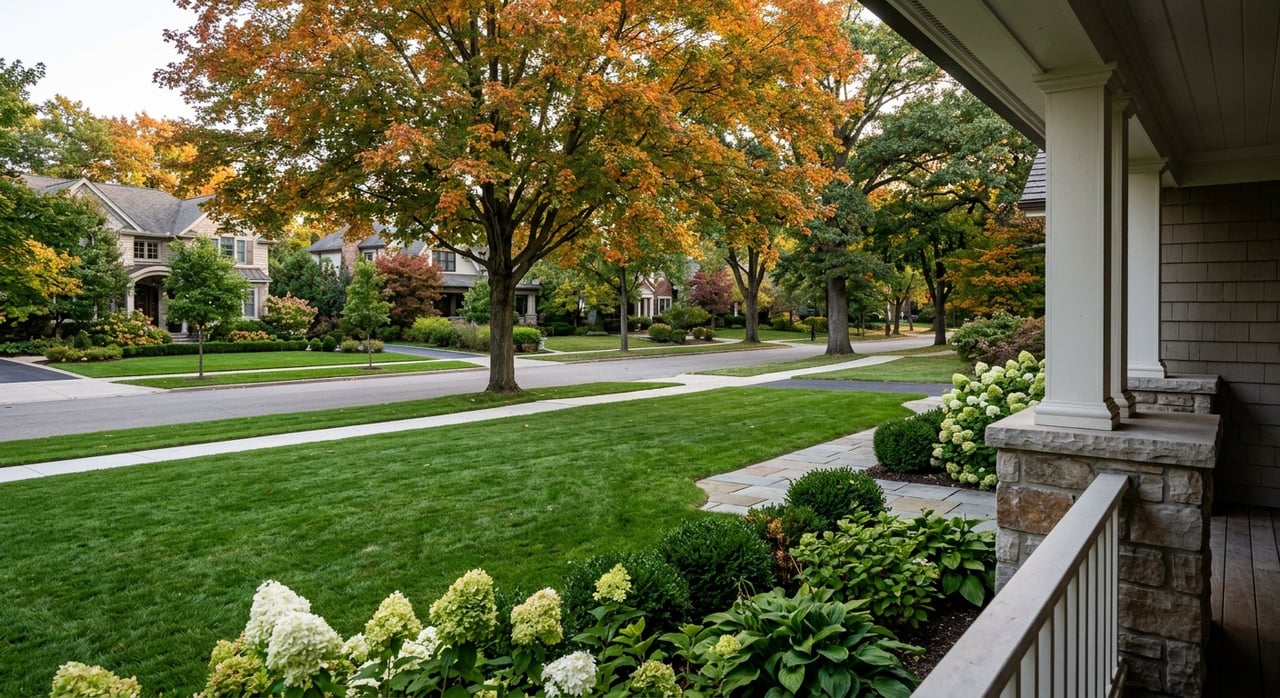
Thinking about a move to Mendota Heights? If you want a place that feels calm and established but still keeps you close to both Minneapolis and St. Paul, this suburb often stands out quickly. Living here means balancing quiet residential streets, strong outdoor access, and practical regional convenience. Here’s what it’s like to live in Mendota Heights, MN, and what you should know before you make a move.
Mendota Heights is a first-ring suburb on the southern edge of Minneapolis and St. Paul. The city describes itself as having a small-town feel with big-city amenities, which fits its location and overall layout well.
It sits above the confluence of the Mississippi and Minnesota Rivers, giving the area a scenic setting that feels distinct from many nearby suburbs. The city reports more than 11,000 residents and about 750 businesses, while the latest Census QuickFacts estimate places the population at 11,542 in 2024.
Mendota Heights also puts a clear focus on sustainability and stewardship. The city became a Green Step City in 2021, which reflects an ongoing interest in planning and community care.
Daily life in Mendota Heights tends to feel more residential than commercial. If you prefer a quieter home base instead of a dense retail corridor, that can be a real plus.
At the same time, you are not cut off from conveniences. The city notes that residents have convenient access to restaurants, retail, arts, and entertainment across the Twin Cities metro area, so you can enjoy a more peaceful setting without giving up regional options.
This mix is part of what draws many buyers to the area. You get an established suburb with a tucked-away feel, while still staying well connected to major destinations around the metro.
One of the strongest lifestyle advantages in Mendota Heights is outdoor access. The city says it has 17 public parks, more than 295 acres of parkland and open space, and 22 miles of trails.
That means you have plenty of room for walking, biking, casual recreation, and simply getting outside. For many buyers, that kind of access adds a lot to day-to-day quality of life.
Several local destinations help define the community’s outdoor character:
Oheyawahe is a 112-acre site at the meeting point of the Minnesota and Mississippi Rivers, and the city identifies it as sacred to the Dakota people. It is an especially meaningful local landmark and part of what gives the area its sense of place.
The Par 3 Community Golf Course adds another layer to local recreation. It is a 9-hole public course operated by the city and used for programs and events.
The local trail system does not stop at city limits. The city trail map shows connections to the Big Rivers Regional Trail and the Eastern River to River Greenway.
For residents, that helps Mendota Heights feel even more connected and usable. If you enjoy biking, walking, or exploring different outdoor routes, those connections are a major benefit.
Mendota Heights is not the kind of suburb where most errands happen a few blocks from home. The city’s 2040 Comprehensive Plan states that there are no grocery stores or supermarkets within Mendota Heights, and access to those stores is largely dependent on the automobile.
That is important to know if you are comparing it with more retail-centered suburbs. For some buyers, this is a drawback. For others, it is simply part of the tradeoff for a quieter and more residential environment.
The upside is regional access. The city notes convenient access to restaurants, retail, arts, and entertainment throughout the Twin Cities metro area, so many day-to-day and weekend destinations are still within reach.
Even with its quieter setting, Mendota Heights has an active community calendar. That can make the city feel more connected and welcoming over time.
Examples of local events and programs include:
These kinds of events give residents recurring ways to get involved and enjoy local spaces. If community programming matters to you, Mendota Heights offers more than its calm streets might suggest at first glance.
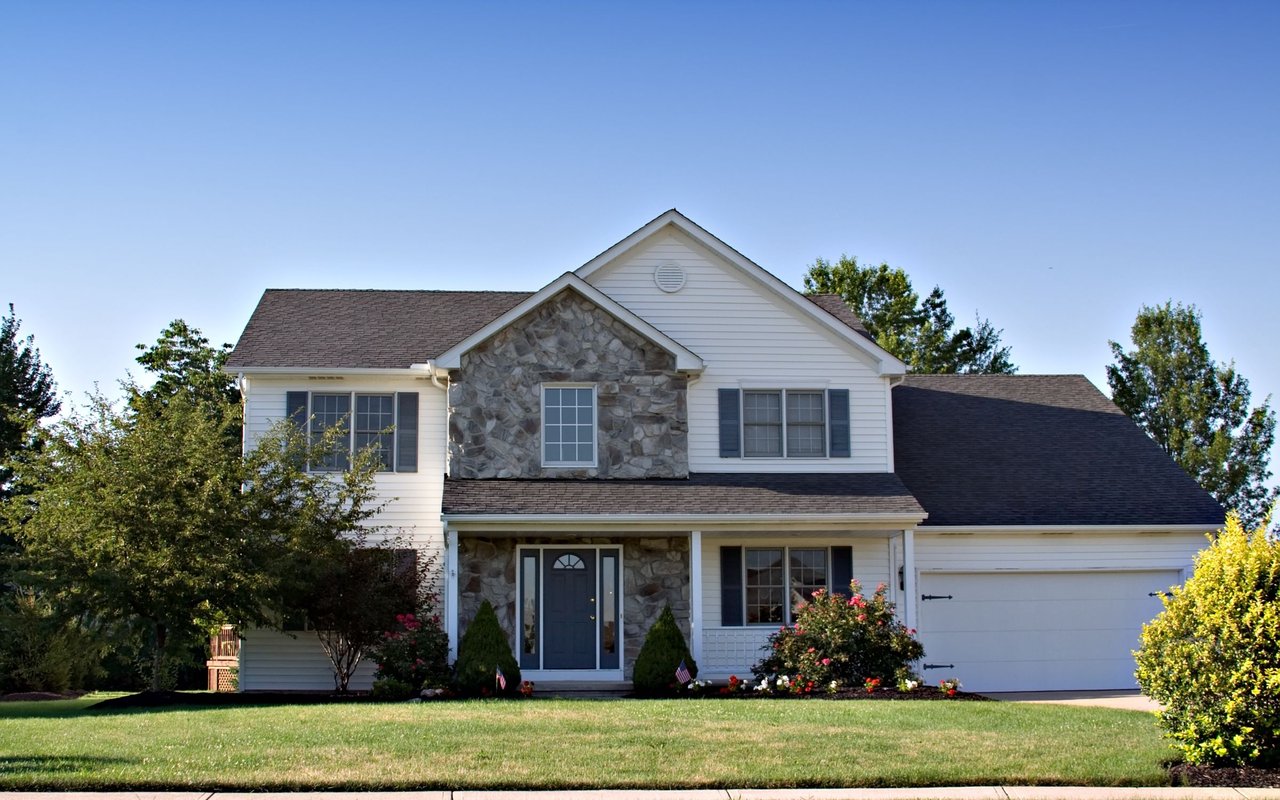
Mendota Heights is best described as an established suburb with a housing stock led by single-family homes. According to the city’s 2040 Comprehensive Plan, 71.7% of housing units were single-family detached, 13.2% were attached, and 14.5% were in buildings with three or more units.
That means the market is heavily oriented toward detached homes, but there is still a smaller mix of attached and multifamily options. If you are a buyer looking for variety, that is helpful context.
The same plan reports that 88% of occupied units were owner-occupied. That supports the area’s reputation as a primarily ownership-focused community.
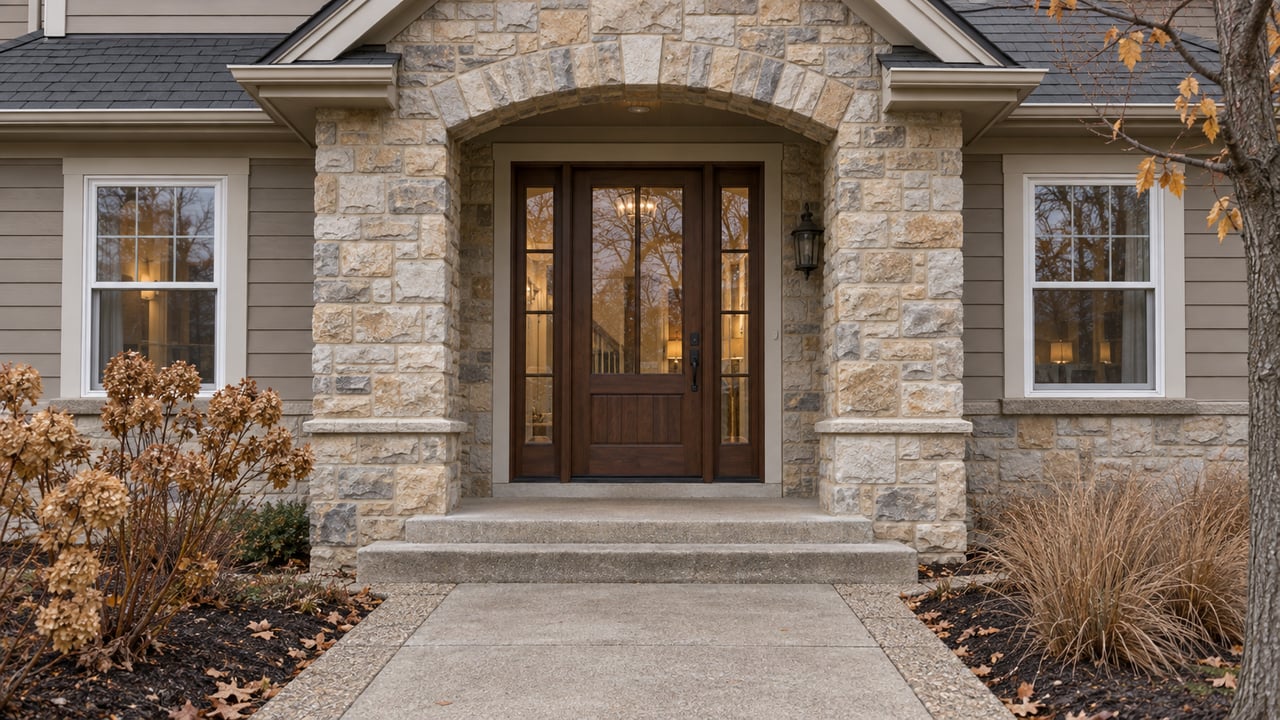
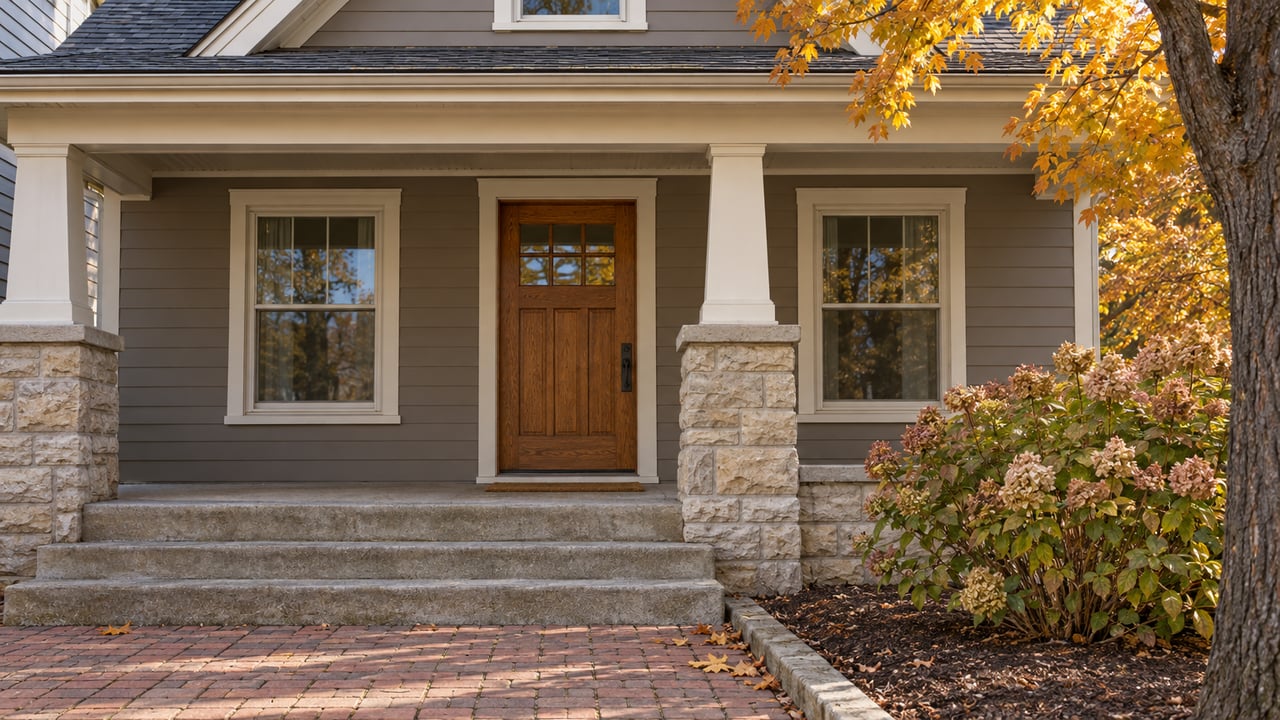
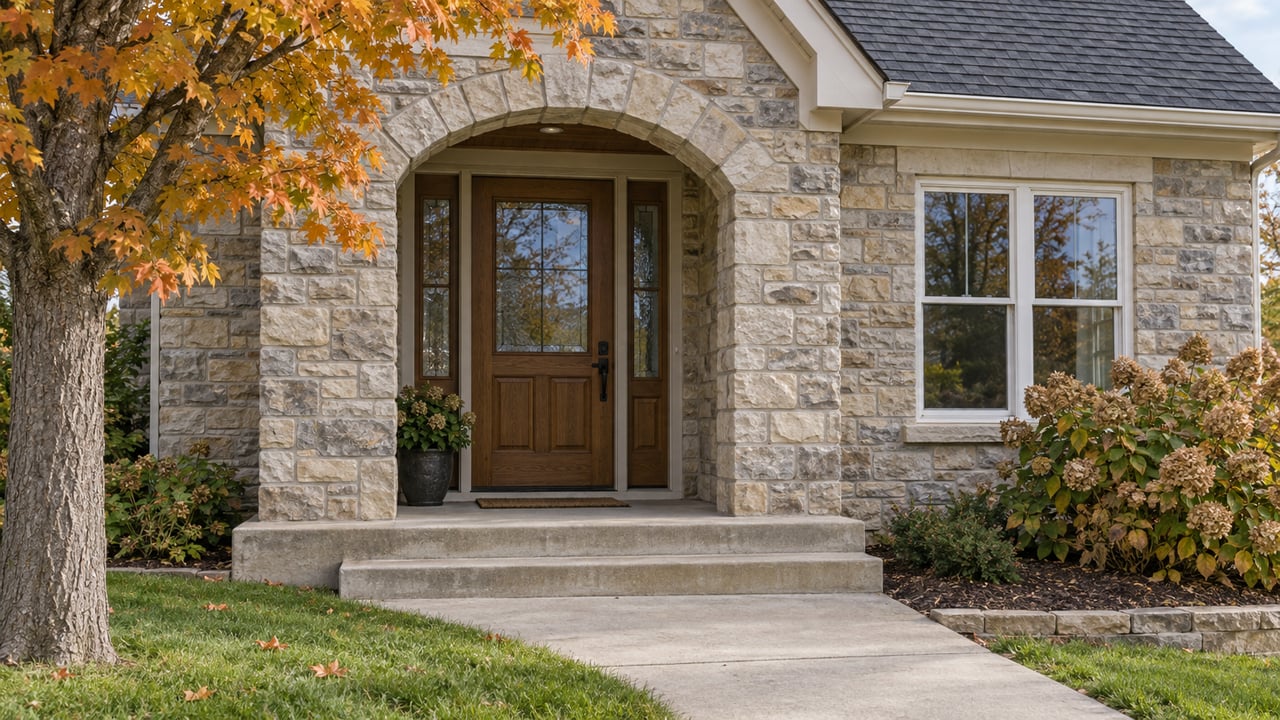
Much of the housing growth in Mendota Heights happened in the 1940s and 1950s, and again in the 1980s. In practical terms, that often means mature neighborhoods, established lots, and a suburban layout that developed over time rather than all at once.
For many buyers and sellers, that established character is part of the appeal. It can create a sense of stability and a more settled streetscape compared with newer subdivisions.
Transportation is one of Mendota Heights’ biggest practical strengths. The city says the community is connected by local and county roads, metropolitan highways, and transit services.
Available transit services include:
This makes it easier to stay connected across the metro, whether you drive most of the time or want additional transportation options available.
Another major convenience is airport access. The city says Minneapolis-St. Paul International Airport is within about 10 minutes of driving distance.
For frequent travelers, commuters, and households with friends and family visiting from out of town, that can be a meaningful advantage. It is one of those location benefits that tends to matter more in everyday life than people expect.
Mendota Heights also reports 69 miles of streets and 22 miles of trails. That combination supports both local driving and active transportation, which adds flexibility to daily routines.
In a smaller suburb, strong connections like these can make a big difference. You can enjoy a quieter residential setting without feeling isolated.
Mendota Heights can be a strong fit if you want an established suburban setting with good outdoor access and quick regional connections. It may especially appeal to buyers who value a residential atmosphere, mature surroundings, and proximity to both downtowns and the airport.
It may also suit sellers whose homes benefit from that combination of lifestyle and location. Buyers often look closely at commute convenience, home style, nearby recreation, and the overall feel of a neighborhood, and Mendota Heights offers a distinct mix of those features.
The key is knowing what matters most to you. If you want a lively retail hub right outside your door, you may prefer a different setup. If you want space, scenery, and access to the wider metro, Mendota Heights deserves a close look.
Living in Mendota Heights means choosing a community that feels grounded, scenic, and well connected. You get a residential environment, strong parks and trail access, established housing, and practical transportation advantages that support daily life.
For many buyers, that balance is exactly the draw. And for sellers, those same qualities can help explain why demand stays strong for the right home in the right setting.
If you’re thinking about buying or selling in Mendota Heights or anywhere in the Twin Cities East Metro, the Cooking Real Estate Team can help you make a confident move with local guidance and responsive support.

Buying or selling a home? The Cooking Real Estate Team will guide you, negotiate for you, and help you get the best results. Contact us to get started.
1625 Radio Dr STE 100 Woodbury, MN 55125-1854