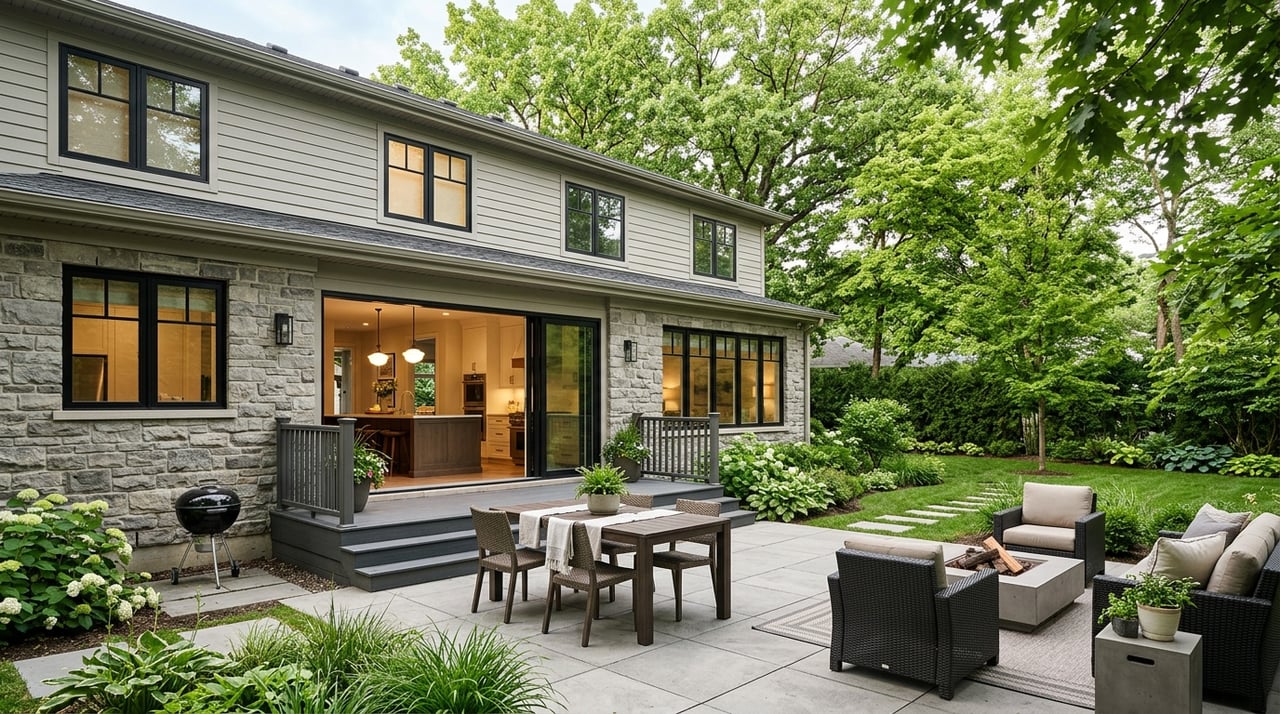
First-Time Home Buying In Eagan: A Local Guide
May 7, 2026
May 7, 2026
Buying your first home in Eagan can feel exciting and a little intimidating at the same time. You want to make a smart move, avoid costly mistakes, and understand what the local market is really like before you jump in. This guide will walk you through Eagan’s market, what starter-home options often look like here, and how to prepare for a smoother purchase. Let’s dive in.
Eagan is an established Twin Cities suburb with about 67,240 residents, according to the Census Bureau’s 2024 estimate. The city also has a 67.7% owner-occupied housing rate, and the median owner-occupied home value is $397,100. That gives you a useful starting point if you are trying to figure out whether Eagan fits your budget.
Current market snapshots show similar pricing. Redfin reported a median sale price of $394,000 in March 2026, while Zillow showed an average home value of $401,217 as of March 31, 2026. Those numbers point to a market that is solidly established, not a low-cost outlier.
Eagan is competitive, but it is not the same in every price range or every neighborhood. Redfin says homes averaged 28 days on market with a 99.7% sale-to-list ratio, and many homes receive multiple offers. It also notes that some hot homes can go pending in around 12 days and sell about 3% above list price.
That means you should be ready to act when a well-priced home hits the market. At the same time, not every listing moves instantly, so there can still be room for negotiation when a property has been sitting longer.
One local example helps show how limited inventory can be. Realtor.com data showed Cedar Grove with a median listing price of $354,500 and only four properties for sale in that snapshot. For a first-time buyer, that is a reminder that your options may feel narrow at times, especially in established parts of Eagan.
Eagan is a mature, fully developed city. State housing analysis says the city has more than 30,100 housing units, with about 31% multifamily and 69% single-family or townhome units. Much of the housing stock was built from the 1970s through the 1990s.
That matters because your first home in Eagan may not look like a brand-new house in a large new subdivision. In many cases, you will be comparing older detached homes, townhomes, and condos rather than choosing from a wide range of newly built single-family starter homes.
Recent construction in Eagan has leaned heavily toward multifamily housing. The state housing snapshot says 1,620 new housing units were built in the past five years, and 94% of that new construction was multifamily. For first-time buyers, that often means newer entry-level options are more likely to be condos or townhome-style homes.
If you are hoping for a newer detached home at an entry-level price, your choices may be limited. Existing homes usually make up the core of the first-time buyer market here.
One of the smartest first steps is getting preapproved before you shop seriously. CFPB says a preapproval letter is a tentative statement from a lender, not a guaranteed loan, but sellers often want to see one before accepting an offer. It also says these letters commonly expire in 30 to 60 days.
That timeline matters. If you get preapproved too early, you may need to update paperwork before you are ready to write an offer. If you wait too long, you could lose time in a market where strong homes move quickly.
Your budget should cover more than a monthly mortgage payment. CFPB guidance says buyers should also plan for repairs, property taxes, insurance, possible HOA dues, closing costs, moving costs, and future improvements. HUD also notes that affordability depends on your income, credit, monthly expenses, down payment, and interest rate.
A realistic budget helps you shop with more confidence. It also helps you avoid stretching too far just to win a home.
Before you start touring, it helps to get clear on a few basics:
These questions can shape your search in a practical way. In Eagan, where inventory can be tight, clarity often helps you move faster and with less stress.
In a market where some homes receive multiple offers, preparation matters. A strong offer often starts with financing lined up, quick communication, and clean timelines. Redfin’s market data supports that reality in Eagan, where many homes receive multiple offers and some contingencies are waived.
Still, strong does not have to mean reckless. CFPB guidance makes it clear that buyers should think carefully before giving up inspection or financing protections.
If you want to compete without overreaching, these steps can help:
A smart offer is not just about price. It is also about being ready, informed, and realistic about the risks you are taking.
Because Eagan is an established suburb, many first-time buyers will look at homes built decades ago. The city’s historic growth included neighborhoods such as McKee, Country Home Heights, and Cedar Grove, which helps explain why so much of the housing stock is older. Older homes can offer great locations and established surroundings, but condition matters.
When you tour these homes, pay close attention to the age and condition of major systems. Roofs, windows, drainage, heating and cooling equipment, and signs of deferred maintenance can all affect your costs after closing.
CFPB says you should schedule an independent home inspection as soon as possible after choosing a home. An inspection can reveal major issues early enough for you to negotiate repairs or cancel the deal if your contract allows. It also notes that inspections are separate from appraisals, and some loan programs may require repairs before closing or money held in escrow for those repairs.
In Eagan, that is especially important when you are buying an older home. Even a well-kept property can have age-related issues that deserve a closer look.
Newer condos and townhomes may appeal to first-time buyers who want a more updated layout or fewer immediate maintenance projects. In Eagan, those newer options are more common than brand-new detached starter homes because of the city’s recent building mix. That makes them worth considering if you want a lower-maintenance starting point.
The trade-off is simple. You may gain newer finishes and less upfront upkeep, but your home type and monthly cost structure may look different from a traditional single-family house.
First-time buyers in Eagan have access to state, county, and local housing support. Minnesota Housing’s Start Up program defines a first-time buyer as someone who has not had an ownership interest in a principal residence in the last three years. Program guidelines may include income limits up to $152,200 depending on county, purchase price limits up to $659,550 in the 11-county Metro area, and down payment and closing cost loans of up to $18,000.
It is important to note that these are loans, not grants. Minnesota Housing also requires at least one borrower to complete an approved homebuyer education course before closing when all borrowers are first-time buyers.
Dakota County’s Community Development Agency says it offers down payment assistance, first-time homebuyer loans, homebuyer education, foreclosure prevention, home improvement loans, and pre-purchase counseling. For Eagan buyers, that makes Dakota County a meaningful local resource, not just a broad regional program.
The City of Eagan also says it works closely with the Community Development Agency, which administers more than 30 housing programs. If you are buying your first home here, that local support network can be a real advantage.
The home buying process gets easier when you break it into steps. Here is a practical way to think about it in Eagan.
Get preapproved when you are serious enough to shop within the next 30 to 60 days. That helps you understand your price range and shows sellers you are prepared.
Look beyond principal and interest. Include taxes, insurance, repairs, HOA dues if applicable, closing costs, and moving expenses.
Know your must-haves, your nice-to-haves, and your deal breakers. In Eagan, thin inventory can mean you need to make decisions quickly, so having a plan helps.
When the right home appears, move quickly but carefully. Strong financing, clean communication, and realistic terms can make a difference.
Schedule the inspection quickly after your offer is accepted. CFPB also notes your lender must send the Closing Disclosure at least three business days before closing, so make time to review it carefully.
For many first-time buyers, Eagan hits a useful middle ground. It is competitive enough that you need to be prepared, but it is not impossible to buy here with the right plan. The biggest key is understanding the local housing mix, setting a realistic budget, and staying ready for the homes that fit your goals.
If you want experienced, local guidance as you explore your options in Eagan, the Cooking Real Estate Team is here to help you move forward with clarity and confidence.
Real Estate
Real Estate
Buying or selling a home? The Cooking Real Estate Team will guide you, negotiate for you, and help you get the best results. Contact us to get started.
1625 Radio Dr STE 100 Woodbury, MN 55125-1854