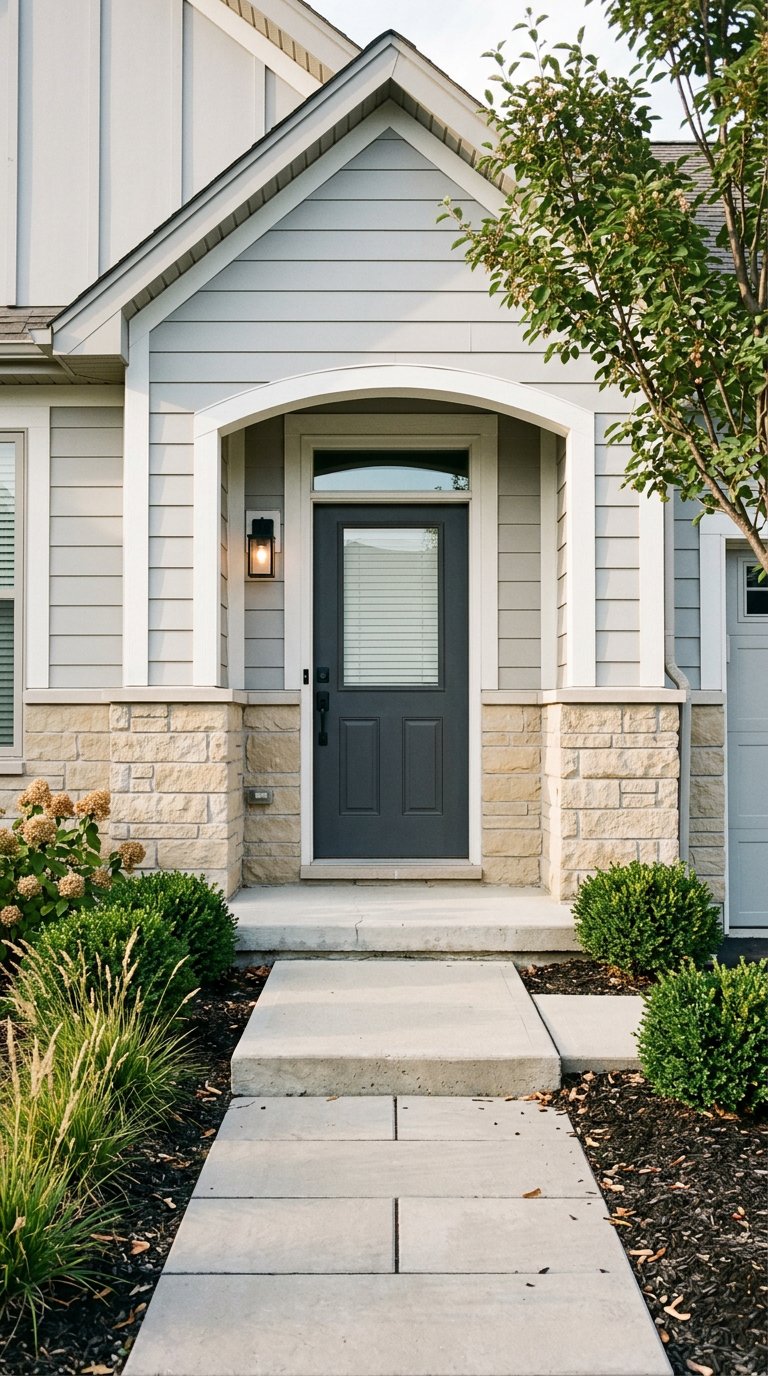
Downsizing In Edina: How To Sell And Right-Size Smoothly
March 24, 2026
March 24, 2026
Thinking about living lighter in Edina, but not sure where to start? You’re not alone. Letting go of square footage and long to‑do lists can feel overwhelming, especially when you want to protect your equity and choose the right next home. This guide walks you through the local market basics, the steps to prep and price your home, and the key checks to make if you’re moving into a condo or townhome. You’ll also get a simple timeline and resources to make the move smoother. Let’s dive in.
Edina’s assessed values remain strong. The City’s 2025 assessment shows a median estimated market value of $735,200 for single‑family homes, $446,100 for townhomes, and $208,300 for condos. These are the City’s assessment estimates, not recent sale prices, but they are a helpful baseline when you plan taxes and pricing expectations. You can review the medians and district‑level sales tables in the City’s report in the 2025 Edina Assessment Report.
Public market trackers often show different medians based on time windows and methodology. That variation is normal. Think of the City assessment as a longer‑term baseline and market trackers as short‑term snapshots that can move with monthly sales mix.
Be mindful of taxes as you plan. The City has proposed an 11.03% increase in the City tax levy for 2026. On the median‑valued single‑family home noted above, the City estimates that proposal would mean roughly $25 per month in City taxes. Treat this as proposed and keep an eye on timing if you plan to close near year‑end. You can follow City levy updates in the City’s levy archive.
Start with a clear picture of what you need next and what your net proceeds may be.
Professional presentation matters. The National Association of REALTORS® reports in its 2025 Profile of Home Staging that staged homes commonly sell faster, and many agents saw a 1–10% uplift in offers after staging. Prioritize the living room, primary bedroom, and kitchen for the biggest impact, and pair staging with high‑quality photos. See highlights in the 2025 NAR Profile of Home Staging.
A pre‑listing inspection can help you identify negotiable items early, reduce last‑minute requests, and lower the risk of a deal falling apart. There is a cost to you upfront, but the tradeoff is better preparation and potentially stronger negotiating power. Learn how pre‑inspections can help in this overview on pre‑listing inspection benefits.
Edina’s neighborhoods can differ block to block. When you review comps, factor in micro‑markets such as Rolling Green, the Country Club District, and streets near 50th & France, and adjust for lot size, water features, and renovations. The City’s assessment report includes district‑level sales tables that are helpful context before you and your agent review MLS comps. Browse the City’s 2025 Assessment Report for those tables.
Downsizing takes planning. A simple, phased approach keeps you in control.
Decide if you prefer ownership or renting, and list your must‑haves for mobility, parking, storage, and pet policies.
Minnesota’s Common Interest Ownership Act (MCIOA, Minn. Stat. ch. 515B) governs most condo and townhome associations. When you buy a resale unit, you typically receive a resale disclosure packet and have time to review it before committing. Learn the rules in the full MCIOA statute and the Minnesota Department of Commerce’s CIC resources.
When you evaluate an HOA, request and review:
Buyers often have a 10‑day window in practice to review the documents and decide whether to proceed. Use that time to ask questions and verify details that affect your costs and flexibility.
A condo or townhome’s “warrantable” status determines if it meets Fannie Mae and Freddie Mac criteria for conventional financing. Lenders look at reserves, owner‑occupancy, litigation, insurance coverage, and single‑entity ownership concentrations. A commonly referenced benchmark is that projects identify around 10% of annual assessment income for reserves. If a project is non‑warrantable, you may face fewer loan options, higher rates, or larger down payments. Read Fannie Mae’s condo project review overview to understand the basics.
Every situation is different. Talk with your lender early to match financing to your plan.
If your target condo or townhome is warrantable, conventional financing usually offers the best rate options. Lender underwriting will confirm project eligibility and your qualifications.
If you want to buy first and sell later, short‑term solutions like a bridge loan, a HELOC, or a contingent offer can work. Each carries costs and underwriting requirements, so build realistic timelines and leave room for approval.
For buyers 62 or older, a Home Equity Conversion Mortgage for Purchase can help you buy a new primary residence using a combination of your down payment and reverse mortgage proceeds. It requires HUD counseling and has unique costs and estate implications. Review program details on HUD’s single‑family resources page and ask your lender for a side‑by‑side comparison before you decide.
If you need time to move after closing, a short post‑closing occupancy agreement can help. Many loan programs limit rent‑backs, often to 60 days or less, and require clear written terms. For an example of program limits, review a lender’s HomeReady matrix and consult your agent and lender on the specifics of your deal.
Use the four‑box approach: Keep, Sell, Donate, Trash. Work in short, regular sessions to maintain momentum. For higher‑value items, consider appraisal, consignment, or auction.
If access to care is a priority, note that M Health Fairview Southdale Hospital serves the Edina area. The facility is part of Minnesota’s regional network, and you can review statewide designations on the Minnesota Department of Health’s stroke designation list.
For everyday living, smaller units near 50th & France, Centennial Lakes, and Southdale/Galleria keep you close to shopping, dining, parks, and walking paths. Use the City’s Centennial Lakes Park map to scout paths and amenities near prospective buildings.
Downsizing is a series of small, smart decisions. Ground your plan in local numbers, prep your current home to shine, and check the right details on your next place. If you want a clear pricing estimate, a room‑by‑room prep plan, and help evaluating HOA documents, reach out. The Cooking Real Estate Team will walk you through every step so you can sell confidently and right‑size without stress.
Real Estate
Buying or selling a home? The Cooking Real Estate Team will guide you, negotiate for you, and help you get the best results. Contact us to get started.
Address
1625 Radio Dr STE 100
Woodbury, MN 55125-1854