Torn between the convenience of a condo and the freedom of a house in Minneapolis? You are not alone. Choosing the right fit affects your daily routine, monthly budget, and long-term resale plan. In this guide, you will learn how condos and single-family homes compare on lifestyle, costs, taxes, HOA rules, financing, and risk in Minneapolis. Let’s dive in.
Condo vs house at a glance
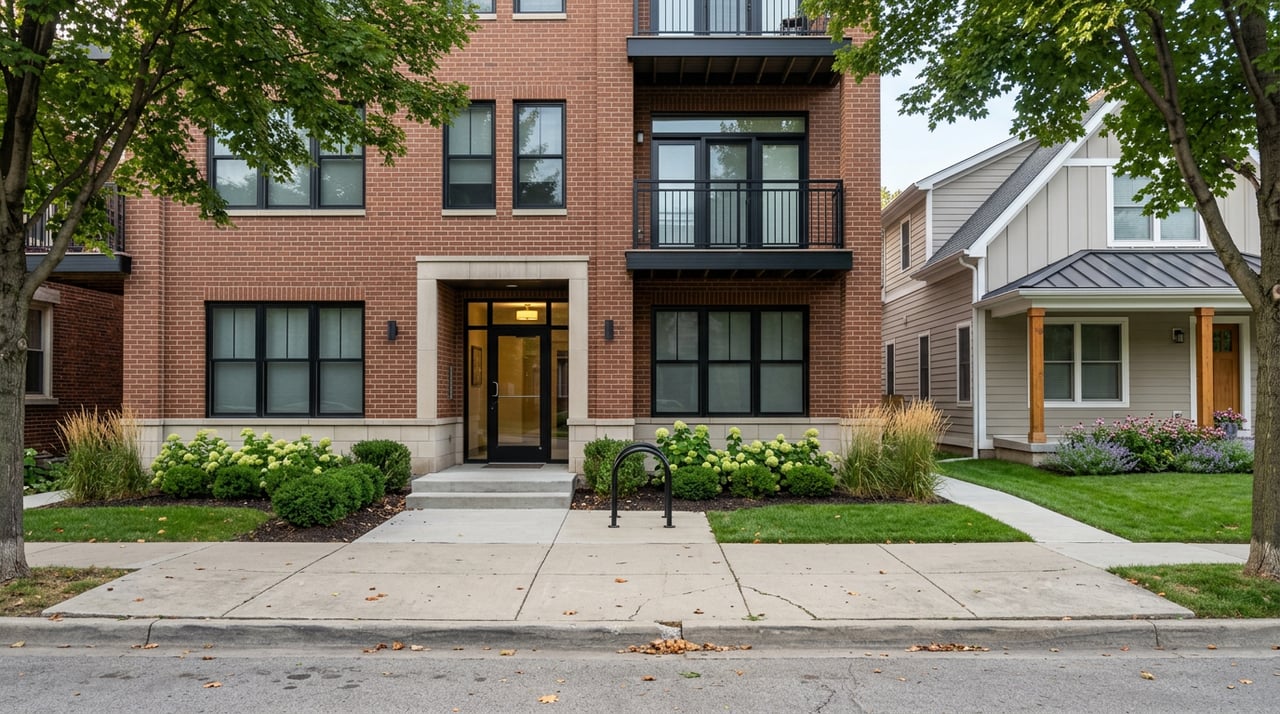
Condos
- Lower-maintenance living. The association typically handles exterior care, snow removal, common systems, and grounds. Some utilities may be included.
- Monthly HOA dues plus potential special assessments. Minnesota law requires associations to budget replacement reserves and disclose reserve balances to owners. See the Minnesota Common Interest Ownership Act for details on duties and disclosures. Read the statute.
- Individual property taxes. Each unit is assessed and taxed separately in Hennepin County.
- Building-level risks. Weak reserves, litigation, or non-warrantable status can affect financing and resale.
Single-family homes
- More space and control. You typically gain a yard, garage, and flexibility for projects and storage.
- You handle all maintenance. Exterior, roof, driveway, and yard are your responsibility.
- Often higher assessed totals because land value is included, which can increase the tax bill versus a similarly sized condo. Check parcel-level taxes through the county.
- Broad financing options and a wide buyer pool at resale.
Lifestyle and neighborhood fit
Where condos cluster
Minneapolis condo inventory concentrates in Downtown, North Loop, Loring Park, Uptown, and the riverfront/Mill District. These areas tend to offer walkable access to restaurants, entertainment, and transit. Amenities vary widely by building, from basic security and parking to fitness centers, rooftop lounges, and concierge services.
Where houses dominate
You will find more single-family homes with yards across South Minneapolis and many Southwest blocks, including neighborhoods such as Linden Hills, Kingfield, and Nokomis-area communities. These areas offer classic city streetscapes, garages or driveways, and more private outdoor space.
Commute, transit, and biking
- Minneapolis has growing high-frequency transit, including Metro light-rail and bus rapid transit. The Blue Line extension project is one example of expanded access.
- The city’s estimated mean travel time to work is about 22 minutes, which shows how central locations can reduce commute times. See Census QuickFacts.
- Cycling infrastructure and trails support car-light living for many residents. Learn more about the region’s biking culture in this overview of cycling in Minnesota. Cycling context.
What monthly costs look like
The big line items
- Mortgage principal and interest. Your rate drives this. A common benchmark is Freddie Mac’s weekly PMMS for 30-year fixed rates. As a reference point only, a late-winter 2026 average hovered near the high-5% range. Always confirm current pricing. Freddie Mac PMMS.
- Property taxes. Hennepin County assesses property values as of January 2 each year and sends valuation notices in March. Taxes are levied by local districts and paid by owners. Condo taxes are calculated on the unit’s assessed value; home taxes typically reflect the house plus land. Always verify the current parcel. Hennepin County assessment timeline.
- HOA dues (condos). A 2025 listing survey reported a Twin Cities metro median of about 278 dollars per month. Minneapolis buildings vary widely: modest buildings can be a few hundred dollars, many fall in the 200 to 600 dollar range, and high-amenity towers often exceed 600 dollars and can top 1,000 dollars. Confirm what is included.
- Insurance. Condo owners usually carry an HO-6 policy for interior improvements and contents. The association maintains a master policy for common elements. Ask for the master policy declarations and deductible, and consider loss-assessment coverage. HO-6 basics.
- Utilities and services. Many condos include some combination of water, sewer, trash, heat, or internet in the HOA. House owners typically pay all utilities directly. Confirm inclusions in the resale packet.
- Maintenance and capital projects. House owners fund exterior and structural work themselves. Condo owners pay into reserves via dues and may face special assessments. Minnesota law requires associations to include replacement reserves in budgets and report reserve balances to owners. Reserve obligations.
Quick illustrative comparison
Illustrative only. Confirm your numbers with a lender, the association, and the county assessor.
Assumptions: 30-year fixed at 6% (for illustration, referencing Freddie Mac PMMS as a benchmark), 20% down, effective property tax rate at roughly 1.27%.
Single-family example: 350,000 dollar price. Loan about 280,000 dollars. Principal and interest around 1,680 dollars per month. Property tax about 370 dollars per month. Homeowner insurance might range 80 to 210 dollars per month. Plan a monthly maintenance reserve of roughly 150 to 400 dollars depending on age and condition. Estimated total outlay about 2,300 to 2,800 dollars per month before utilities.
Condo example: 250,000 dollar price. Loan about 200,000 dollars. Principal and interest around 1,200 dollars per month. Property tax about 265 dollars per month. HOA dues commonly 200 to 400 dollars per month depending on the building, with higher-amenity towers above that. HO-6 insurance about 20 to 50 dollars per month. Interior maintenance set-aside 50 to 150 dollars per month. Estimated total outlay about 1,800 to 2,200 dollars per month.
For context, the citywide median selected monthly owner cost with a mortgage is about 2,128 dollars. This helps you calibrate where your monthly estimate may land. Census owner-cost context.
Financing and resale risks (condos)
Conventional lenders evaluate both you and the condo project. Projects with low owner-occupancy, high investor concentration, significant commercial space, inadequate reserves, litigation, or high delinquency can be considered non-warrantable. That status can limit conventional loan options, raise costs, or reduce the buyer pool at resale. Ask your lender early whether the project is considered warrantable and if it appears in the applicable review system. See Fannie Mae condo project guidance.
Healthy association finances, evidence of reserves, and no major litigation support smoother underwriting and broader resale appeal. These project-level factors can matter as much as unit finishes when you sell.
Who pays what under Minnesota law
Minnesota’s Common Interest Ownership Act sets the condo framework. Associations have defined powers and disclosure duties, must include replacement reserves in annual budgets, and must report reserve balances to owners. Units are taxed and assessed individually. As a buyer, review the project’s budget, reserves, insurance, and meeting minutes before you commit. Review the statute.
Two buyer scenarios
Downtown commuter prioritizing convenience
- Likely fit: a condo in North Loop, Downtown, Loring Park, or Uptown for walkability and transit access. The Blue Line extension plans signal continued investment in rail options.
- Financial tradeoffs: lower entry price than a comparable house is common, but add HOA dues. Taxes are on the unit’s assessed value. Insurance is typically HO-6, with potential loss-assessment coverage.
- Maintenance: you outsource exterior work. Ask how the HOA funds long-term projects and whether reserves are adequate.
- Resale: verify warrantability and owner-occupancy levels with your lender and the HOA to avoid financing friction later.
Household wanting a yard inside the city
- Likely fit: a single-family home in South or Southwest Minneapolis for private outdoor space, garage, and storage.
- Financial tradeoffs: higher assessed totals due to land value are common. You carry full insurance on the structure and budget for ongoing maintenance.
- Maintenance: you control timelines and vendors for roofs, siding, and landscaping. Plan a monthly set-aside for future repairs.
- Resale: broad buyer pool and conventional financing paths. Focus on condition, curb appeal, and neighborhood comparables.
Due diligence checklist (use this)
Request these early when considering a condo:
- Full resale packet or estoppel that details current monthly dues, any assessments, and fee payoff amounts.
- Association budget, recent financials, and delinquency report.
- Reserve study or schedule and current reserve balance; note date of last review. Minnesota law requires replacement reserves in budgets and regular reevaluation. Reserve requirements.
- Master insurance declarations and deductible; clarify whether owner loss assessments can be levied and check for fidelity/crime coverage. HO-6 and loss assessment basics.
- Recent board minutes and notices describing planned projects, special assessments, or litigation.
- Owner-occupancy rate, investor concentration, and rental or short-term rental rules. Confirm with your lender how these affect loan options. Project review overview.
Red flags that deserve a closer look:
- Frequent or large special assessments or very low reserves.
- High owner delinquency on dues, often cited above 10 to 15 percent as concerning.
- Pending or expected litigation tied to structural or envelope issues.
- Non-warrantable status or high investor concentration.
- Big capital projects without clear funding sources.
How to decide with confidence
- Map your lifestyle first. If walkability and building services are top priorities, a centrally located condo may be the better fit. If a yard, garage, and project control matter more, a single-family home likely wins.
- Run the full monthly math. Include HOA dues, taxes, insurance, utilities, and a maintenance reserve. Use parcel-level tax data and the HOA’s resale packet to avoid surprises. Check Hennepin assessment guidance.
- Check the building’s health if you lean condo. Review reserves, recent minutes, and insurance. Ask your lender about warrantability early. Fannie Mae condo guidance.
- Test your commute and routes. The city’s average commute is about 22 minutes, and transit and biking options can shift the equation. Census commute context.
When you are ready to compare specific homes or buildings, we will help you read the fine print and negotiate with confidence. Reach out to the Cooking Real Estate Team to get tailored guidance, pricing insights, and a clear path to your ideal Minneapolis home.
FAQs
What does a Minneapolis condo HOA fee usually include?
- It often covers exterior maintenance, snow removal, common-area utilities, management, and sometimes water, heat, internet, or amenities. Always verify the line items in the resale packet.
How do Hennepin County property taxes work for condos vs houses?
- Both are taxed individually. Condo taxes are based on the unit’s assessed value, while house taxes include the structure and land. Review the current parcel and billing schedule through Hennepin County before you buy.
What is a non-warrantable condo and why does it matter?
- A project that fails standard lending reviews due to issues like low owner-occupancy, high delinquencies, or litigation may be non-warrantable. That status can limit loan options and shrink the future buyer pool.
Are Minneapolis transit and biking strong enough to favor a condo?
- If you value car-light living, proximity to light-rail and high-frequency routes, plus the city’s bike network, can make condo life compelling. Test your commute from specific buildings to confirm the fit.
What condo documents should I review before making an offer?
- Request the resale packet, budget, financials, reserve study, insurance declarations, recent board minutes, and rules on rentals. Confirm reserve adequacy and ask your lender about project warrantability.