What Inver Grove Heights Sellers Should Know About Pricing Today
February 19, 2026
February 19, 2026
Thinking about selling in Inver Grove Heights but unsure where to price your home? You are not alone. Today’s buyers are active yet selective, which means pricing needs to be precise. In this guide, you will learn how local data, seasonality, home condition, and Minnesota costs shape a smart list price, plus what to ask your agent before you hit the market. Let’s dive in.
Citywide snapshots point to a steady market where well‑priced homes sell, but with more days on market than a frenzied market. Redfin’s December 2025 snapshot shows a median sale price near $337K and roughly 50 days on market, and it rates the area as competitive for correctly priced listings (Redfin Inver Grove Heights market page). Realtor.com reported a higher citywide median near $439K with about 46 days on market in its October 2025 period (Realtor.com local market snapshot). Zillow’s typical home value readouts hovered in the $360K range through December 31, 2025.
Those differences reflect how each source counts sales, timeframes, and property types. What matters for your price is the micro‑market you sit in. Inver Grove Heights covers several pockets and ZIP codes like 55076 and 55077, and price per square foot can vary. Lean on current MLS comps and your agent’s neighborhood expertise to pinpoint the right range.
This is a data‑driven approach that lists near the top of the realistic CMA range. It works well when you want a predictable sale and minimal reductions. Expect steady showings and solid offers when presentation is strong.
Some sellers choose to list a bit below market to generate early multiple‑offer interest. This can work in lower‑inventory tiers or for turnkey listings. The trade‑off is the risk of leaving money on the table if demand is lighter than expected (pricing strategy overview).
Overpricing usually leads to more days on market and visible price reductions. That can harm buyer perception and reduce leverage later. It is typically reserved for unique properties where time is not a concern and the marketing plan stays aggressive.
The first 10 to 14 days are your prime window for showings and offers. If interest lags in week one, your agent should have a clear plan, such as one well‑timed price adjustment rather than a string of small cuts. A defined plan protects your leverage and appraisal defensibility (early‑marketing window insights).
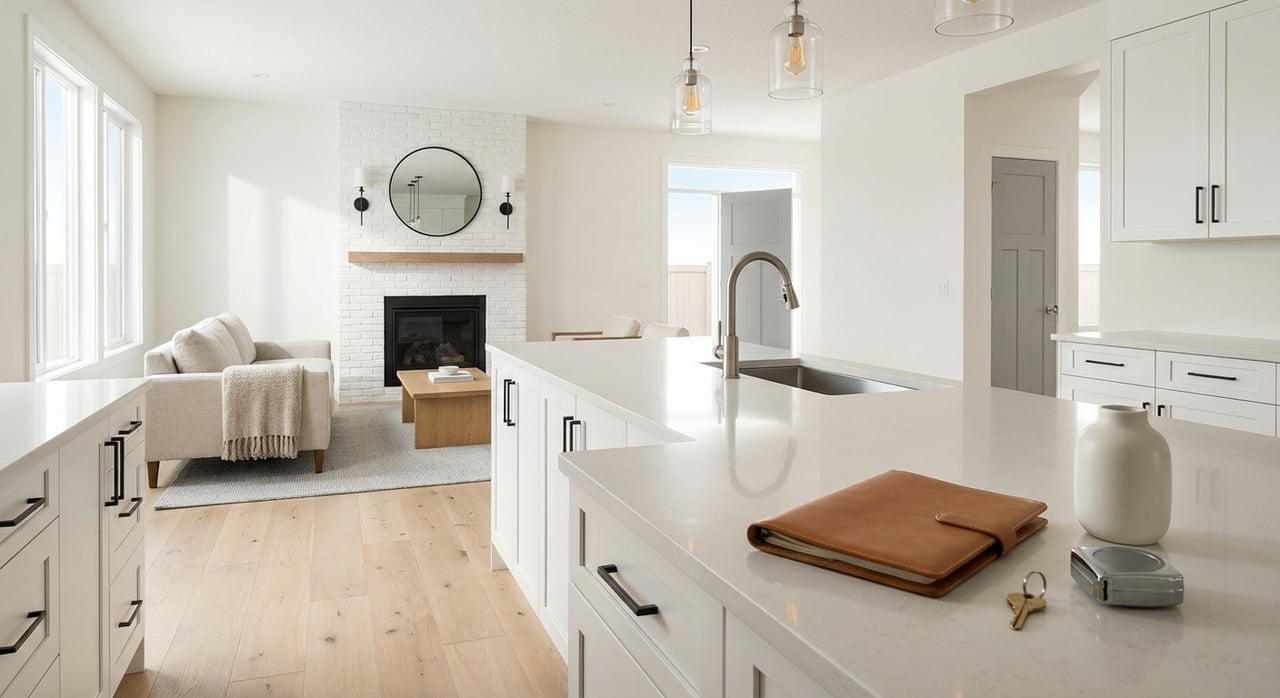
A pre‑listing inspection can surface easy repairs that remove buyer concerns and support your target price. Focus on high‑impact items like neutral paint, lighting, minor exterior touch‑ups, and any deferred maintenance. Quality staging and pro photography improve first impressions online and in person, which often translates into stronger offers (seller prep checklist).
Buyers first meet your home online. Crisp, bright photography, a clear floor plan, and a well‑written listing description help convert views into showings. When you pair sharp presentation with a data‑driven price, you maximize your odds of strong early interest.
Minnesota requires sellers to disclose known material facts that could affect a buyer’s use or enjoyment of the property, typically before signing a purchase agreement. Review the Attorney General’s consumer guidance and complete the standard disclosure form early in your process (MN AG’s seller guidance). Homes built before 1978 also require the federal lead‑based paint disclosure.
Recent legislative attention has focused on well‑disclosure requirements. Confirm the latest language and county filing rules with your agent and title company before listing, especially if your property has a well (legislative text overview).
Minnesota imposes a state deed tax and requires an electronic Certificate of Real Estate Value (eCRV) in most transfers. The deed tax rate is 0.0033 of the net consideration. Example: at a $400,000 sale price, the state deed tax is about $1,320. Counties will not record a deed without a properly completed eCRV when required. For exact calculations and county specifics, review the statute and consult your title company (MN Statute Chapter 287).
Your title company can provide a net sheet with current estimates based on your sale price and contract terms.
You deserve a pricing plan built on neighborhood data, polished presentation, and clear guidance from start to finish. Our team pairs local East Metro expertise with professional marketing and photography to put your home in its best light. We price with precision, launch with intention, and manage the first two weeks to protect your leverage. Ready to see your number? Get your free estimate and a custom CMA from the Cooking Real Estate Team.



Buying or selling a home? The Cooking Real Estate Team will guide you, negotiate for you, and help you get the best results. Contact us to get started.
1625 Radio Dr STE 100 Woodbury, MN 55125-1854