Living in Cottage Grove MN: Daily Life & Housing
February 5, 2026
February 5, 2026
Thinking about a move to Cottage Grove but want a clear picture of everyday life and housing? You are not alone. Many buyers and sellers look east of St. Paul for more space, parks, and a suburban feel that still keeps the Twin Cities within reach. In this guide, you will learn what it is like to live here, how the housing stock breaks down, what to expect for commutes, and the key questions to ask as you plan. Let’s dive in.
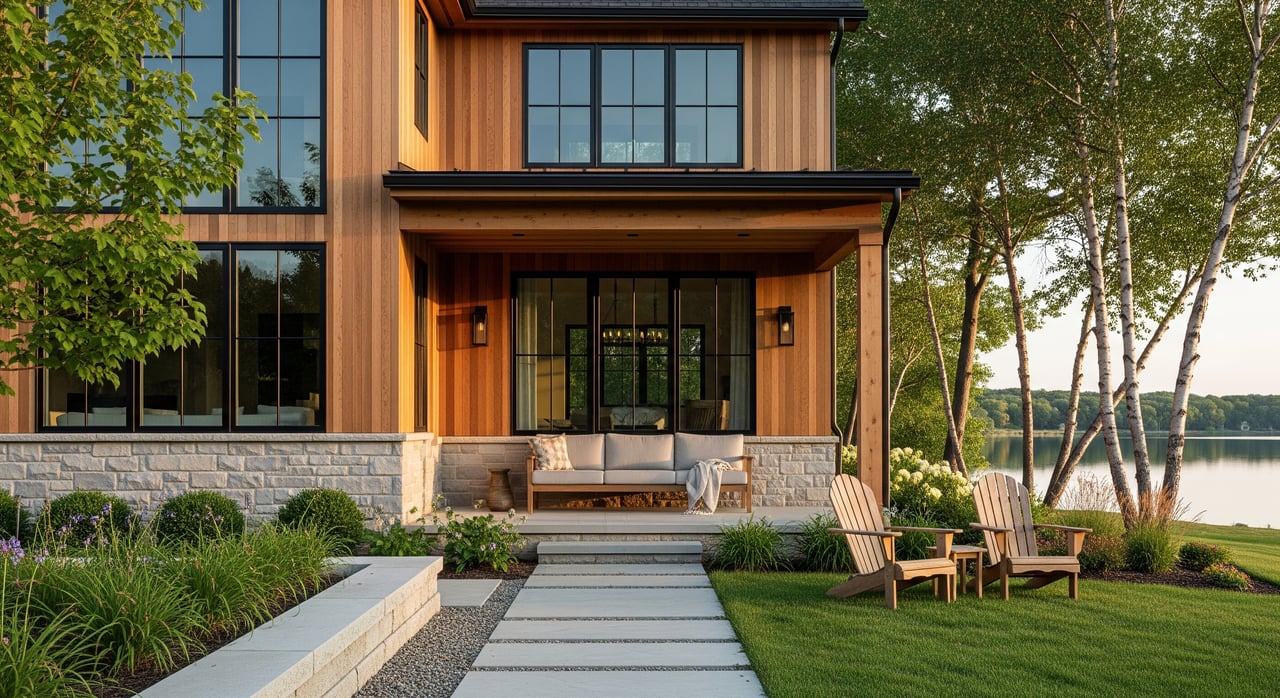
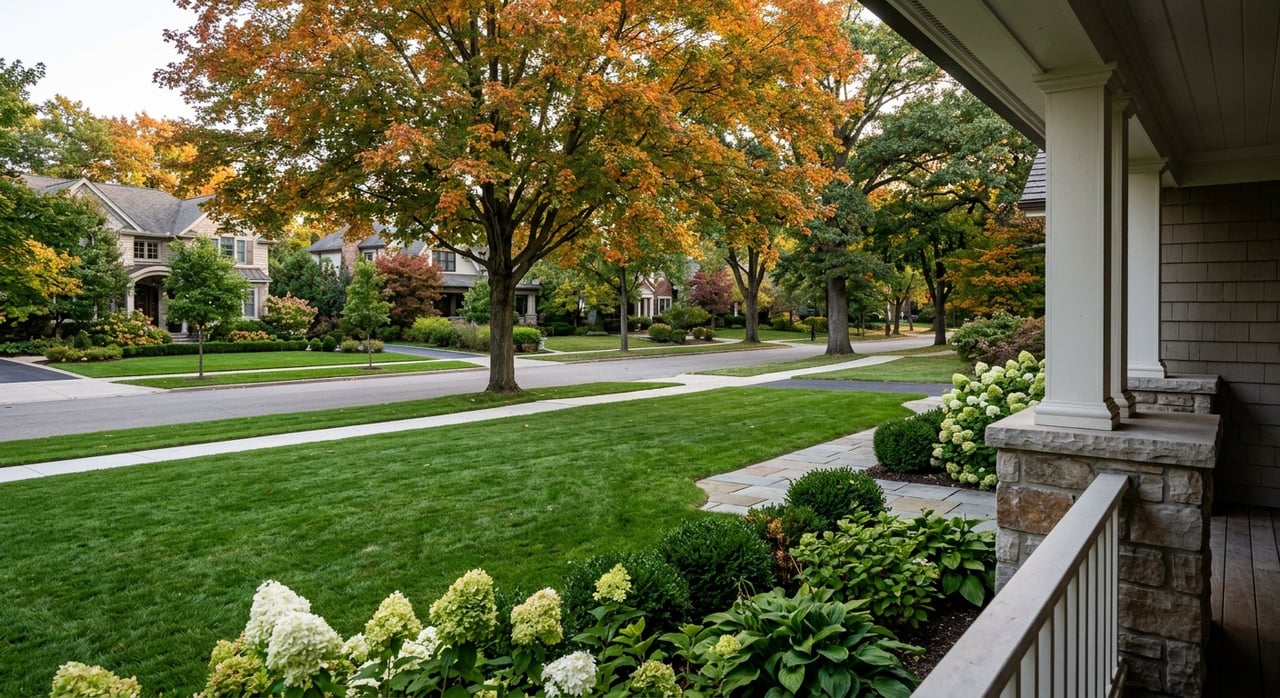
Cottage Grove sits in Washington County on the east side of the Twin Cities. You get a suburban setting with established neighborhoods, newer subdivisions, and access to the Mississippi River corridor for outdoor recreation. Many residents commute to jobs across the metro while choosing Cottage Grove for its parks, neighborhood vibe, and yard space.
If you want room to grow without feeling far from urban amenities, this area often hits the mark. Housing ranges from mid‑century homes to modern builds, plus townhomes and some river‑adjacent properties. You will find a practical mix of community services, school options, and shopping that supports daily life.
You have easy access to local parks, trails, and river recreation. Residents enjoy walking and biking on community trails, accessing neighborhood play areas, and using regional park systems for boating, fishing, and year‑round activities. Off‑leash dog areas and boat launch sites are part of the local outdoor mix.
The city supports youth and adult programs, sports leagues, classes, and seasonal events that add to the small‑city, suburban feel. Weekend errands are straightforward with grocery options, big‑box retail nearby, and dining choices in town and in surrounding suburbs. Clinics and urgent care are close, and major hospitals and specialty care are a short drive in the east metro.
Libraries and civic services are part of daily life as well. Local public safety, public works, and community facilities serve residents across neighborhoods. If you like having essentials nearby and bigger‑city options within a quick drive, Cottage Grove fits that rhythm.
Cottage Grove is served primarily by South Washington County Schools, often referred to as District 833. Park High School serves much of the city, and there are several elementary and middle schools throughout the area. You will also find charter and private options within a reasonable drive.
School boundaries and programs can change, so verify current attendance zones and offerings with the district. For a deeper look at academic performance and enrollment, review Minnesota Department of Education resources and district scorecards before you buy. Use neutral data to compare programs, then pair that with a visit to the schools that serve your target neighborhoods.
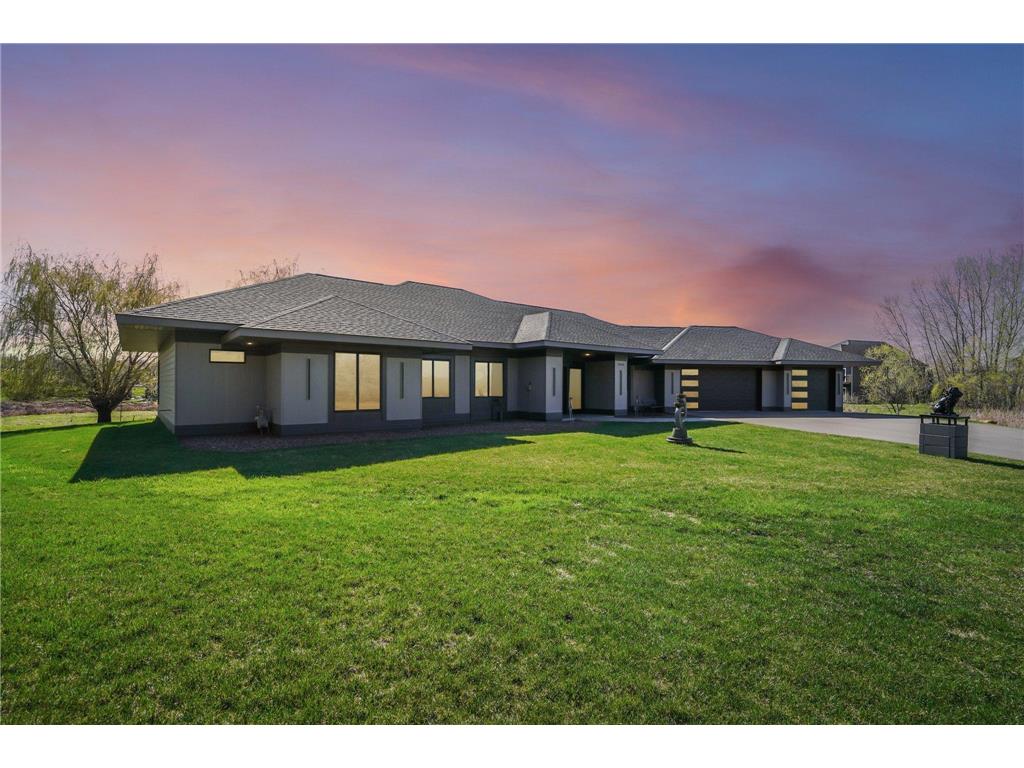
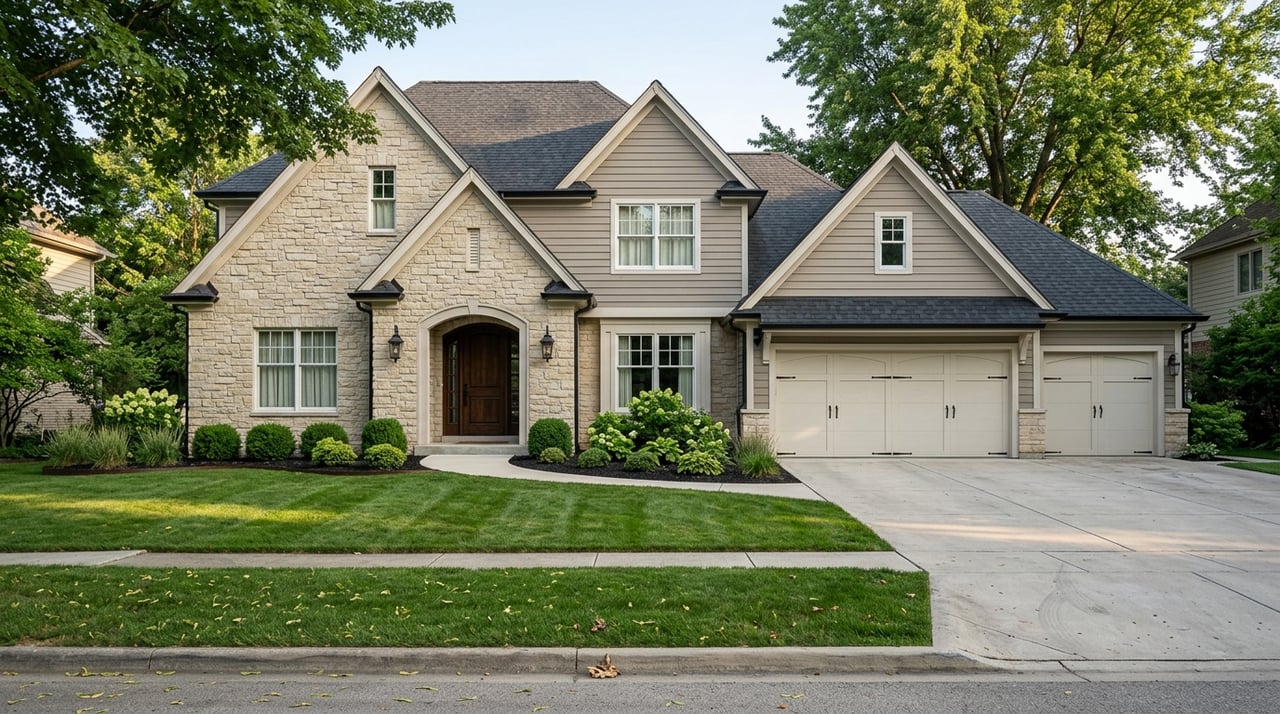
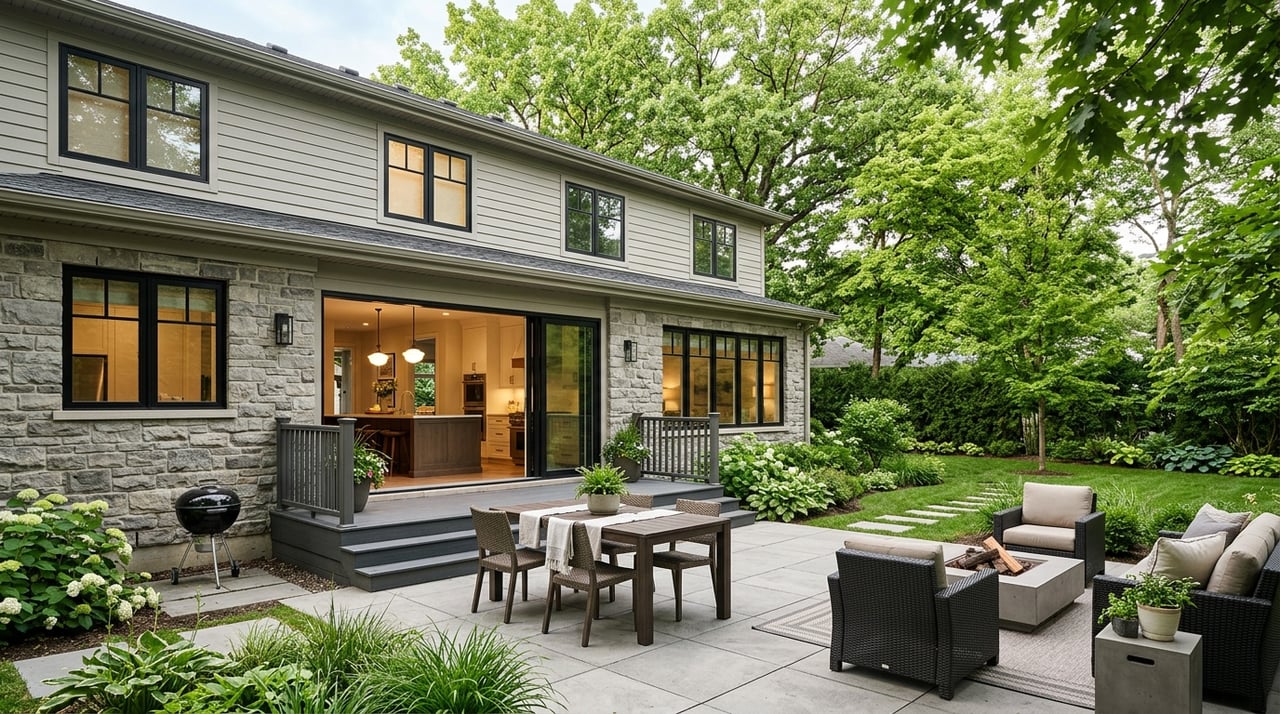
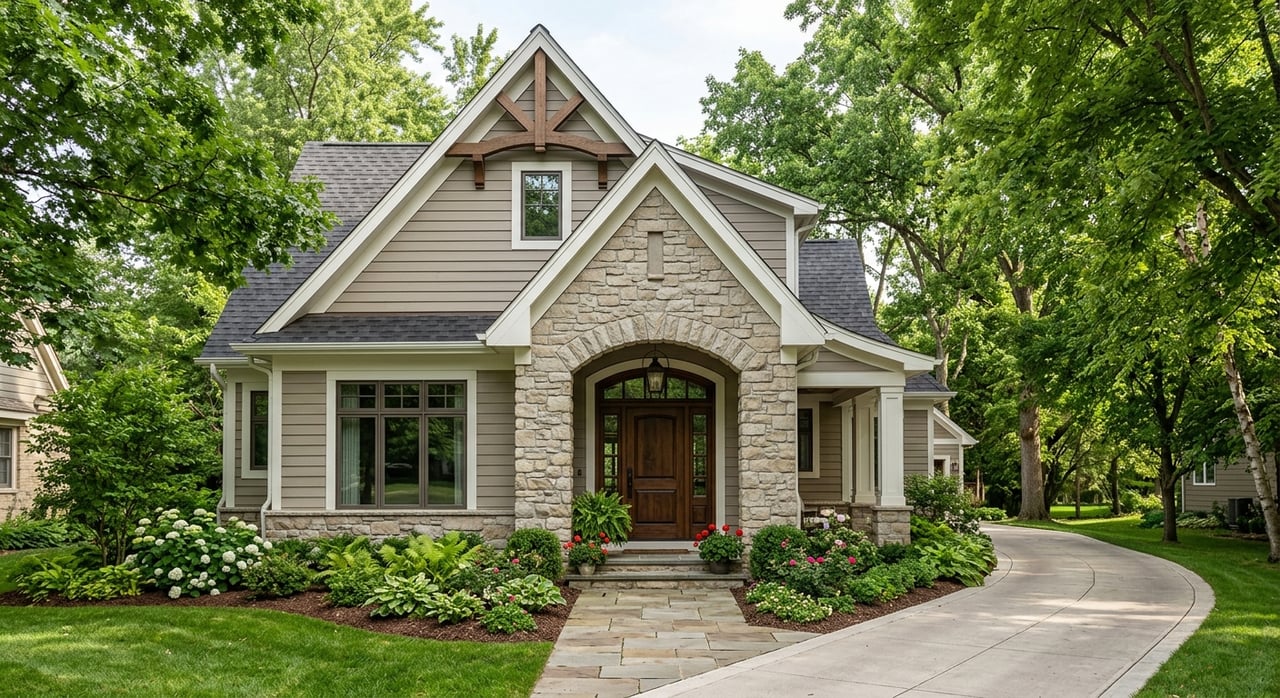
Single‑family homes make up most of the housing stock. You will see established neighborhoods with mid‑20th‑century homes, many three‑bedroom layouts, and larger lots in some areas. You will also find master‑planned developments and infill from the 1990s through the 2020s with modern floor plans and energy‑efficient features.
Townhomes and condos provide lower‑maintenance options at a range of price points. Some riverfront or semi‑rural properties appear on the city’s edges, including acreage or homes near water. In newer subdivisions and attached communities, expect homeowner associations, monthly dues, and community rules that cover maintenance and amenities.
Cottage Grove has historically offered relative affordability compared with core urban neighborhoods in the Twin Cities. Prices move with broader metro trends, which means conditions can shift quickly. For planning, think in tiers: entry‑level townhomes and some older single‑family homes, move‑up homes that add space and updates, and higher‑end homes that include new construction or river‑adjacent locations.
Before you shop or list, check the current median sale price, inventory level, and average days on market using recent 6 to 12 month data from the local MLS or a fresh broker report. Pair that data with your financing plan so you can act quickly when the right home hits the market. If you are selling, a price strategy aligned with the latest comps and absorption rate will set expectations and drive the best result.
Property taxes in Washington County vary by city, county, and school district levies. Your effective tax rate depends on assessed value and any special assessments on the parcel. Review county assessor records and ask about pending levies that could affect your annual cost.
Because parts of Cottage Grove border the Mississippi River and other waterways, some homes may sit in FEMA flood zones. If a property is in or near a floodplain, your lender may require flood insurance. Always confirm the parcel’s flood status with official maps and clarify HOA dues, bylaws, and any special assessments before you write an offer.
Cottage Grove functions as a commuter suburb for St. Paul and Minneapolis. Typical drive times to downtown cores range from about 20 to 45 minutes depending on destination and traffic. Your actual commute will vary by time of day and roadway conditions, so test the drive during your usual schedule.
You may find express bus or park‑and‑ride options through regional transit providers. Bike and pedestrian trails offer local connections for recreation and short trips. Daily life still leans car‑centric, but carpooling and timed transit services can make commuting more predictable and cost‑effective.
Consider the fit with your lifestyle and priorities:
Tradeoffs to weigh:
Buying or selling in Cottage Grove is smoother when you have a local guide who knows the neighborhoods, the builders, and the data behind each price point. Our team works across the Twin Cities East Metro every day, helping families compare school options, evaluate commute tradeoffs, and spot value in both established pockets and new‑construction communities.
If you are selling, you get professional marketing, pricing strategy, and polished presentation that reaches qualified buyers. If you are buying, you get neighborhood‑level insight, fast communication, and advocacy from the first tour to the closing table. Ready to take the next step? Connect with the Cooking Real Estate Team for local guidance tailored to your goals.
Real Estate
Buying or selling a home? The Cooking Real Estate Team will guide you, negotiate for you, and help you get the best results. Contact us to get started.
1625 Radio Dr STE 100 Woodbury, MN 55125-1854