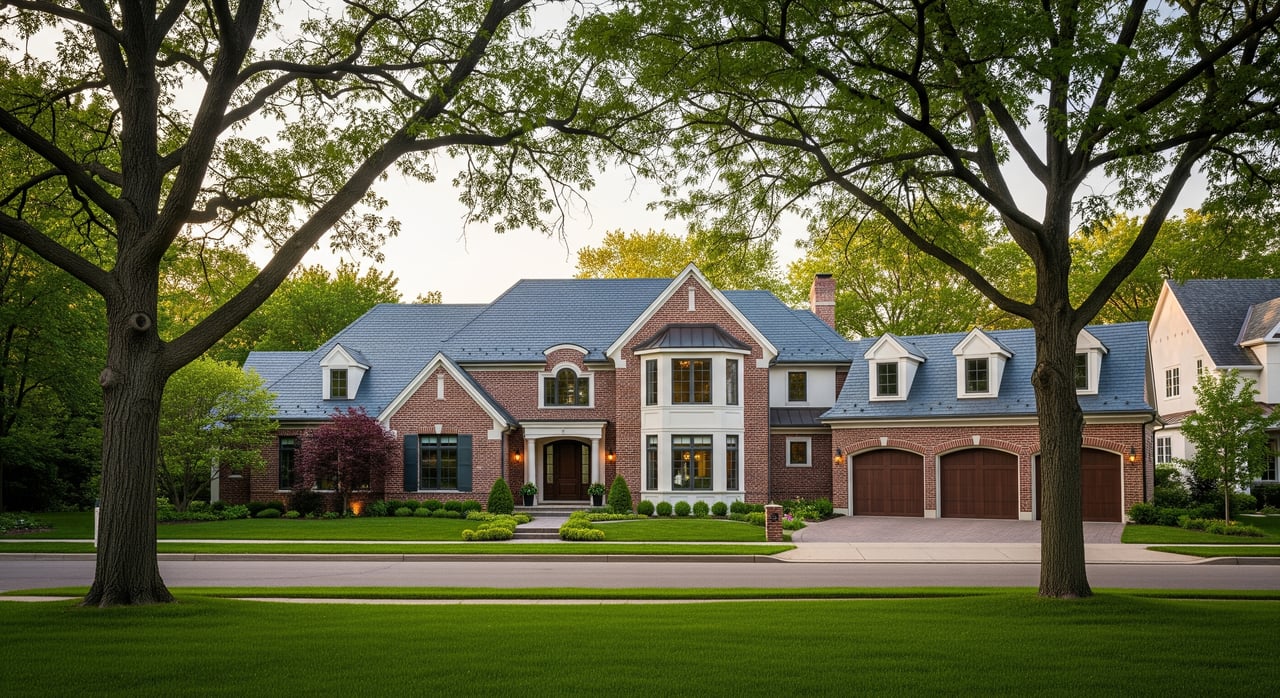
How Agents Use Inver Grove Heights Comps to Set Value
December 18, 2025
December 18, 2025
Ever wonder why two homes on the same street in Inver Grove Heights sell for very different prices? If you are getting ready to list or make an offer, the answer lives in the comps your agent chooses. You want a clear, fair picture of value, not guesswork. In this guide, you will learn how agents pick the right comparable sales in Inver Grove Heights, what matters most locally, and how you can help your pricing stay aligned with an appraisal. Let’s dive in.
Comps are recent, similar homes that sold near your property. Agents use them to build a comparative market analysis, or CMA, which estimates a market-based price range for listing and negotiation. An appraisal follows similar principles, but appraisers must adhere to lender rules and professional standards. That means they focus on closed, arms-length sales and documented adjustments.
A CMA can include active and pending listings for context, while an appraisal reconciles only to closed sales. Both aim to reflect how buyers value a property, but they use different rules to get there. Knowing this helps you understand why a listing price and an appraised value can differ.
Inver Grove Heights is diverse. You have river bluff lots, cul-de-sacs, newer subdivisions, and established streets with different home ages and styles. That is why agents start by defining a micro-neighborhood instead of using the whole city as one market. A micro-neighborhood might be one subdivision, a cluster of nearby streets, or any group of homes that share the same buyer pool.
Agents prefer comps within the same subdivision or very close by. In suburban areas like IGH, they often look within 0.5 to 1 mile, then expand if there are not enough recent, similar sales. The goal is to match the buyer experience for location, feel, and convenience.
Agents start with the same subdivision or adjacent streets. If needed, they include nearby pockets that share similar age, style, school boundaries, and commute patterns. The focus is on where buyers would reasonably substitute one home for another.
Agents filter for the same property type first, then size and layout. Typical targets include similar gross living area within about 10 to 20 percent, comparable bedroom and full bath counts, and a similar basement type, such as finished or walkout. They also account for garage stalls and lot characteristics.
Recent closed sales carry the most weight. In an active market, agents look 3 to 6 months back. If there are not enough sales, they extend to 6 to 12 months and document why. Actives and pendings show market direction but are kept separate from the closed-sale comps.
Agents group comps by how well they match the subject home:
Adjustments are not arbitrary. Agents look for local evidence such as:
The goal is to reflect what buyers in IGH actually paid for features, not what those features cost to install.
Rather than one number, agents reconcile adjusted values from several primary comps to a realistic range. They explain which comps carry more weight and why, then propose a pricing strategy that fits the current supply and demand.
Appraisers must use closed, arms-length sales and may have strict distance and time windows set by lenders. To help your appraisal reflect true value, many agents prepare an appraiser packet that includes photos, floor plans or measurements, a summary of recent upgrades with receipts, and a short list of closed comps with notes on similarities. Unique features like significant foundation work, energy improvements, or high-quality interior remodels should be documented clearly.
If an appraisal comes in low, your agent can share additional comps or documentation and request a reconsideration of value. If that does not resolve the gap, you may explore renegotiation or financial options to bridge the difference. For unusual properties like waterfront or bluff lots, a pre-listing appraisal or consultation is sometimes wise.
Help your agent support your price with clear documentation:
Get clarity on value before you write an offer:
You deserve a pricing decision rooted in local proof. We define your micro-neighborhood, pull closed sales from trusted local data, and document adjustments with evidence. We pay close attention to IGH site factors like bluff lots, walkout basements, elevation, and commute access. Then we reconcile a price range and explain the strategy so you can move forward with confidence.
Ready to see where your home fits in today’s market? Connect with the Cooking Real Estate Team for a clear, data-backed pricing plan.

Buying or selling a home? The Cooking Real Estate Team will guide you, negotiate for you, and help you get the best results. Contact us to get started.
1625 Radio Dr STE 100 Woodbury, MN 55125-1854