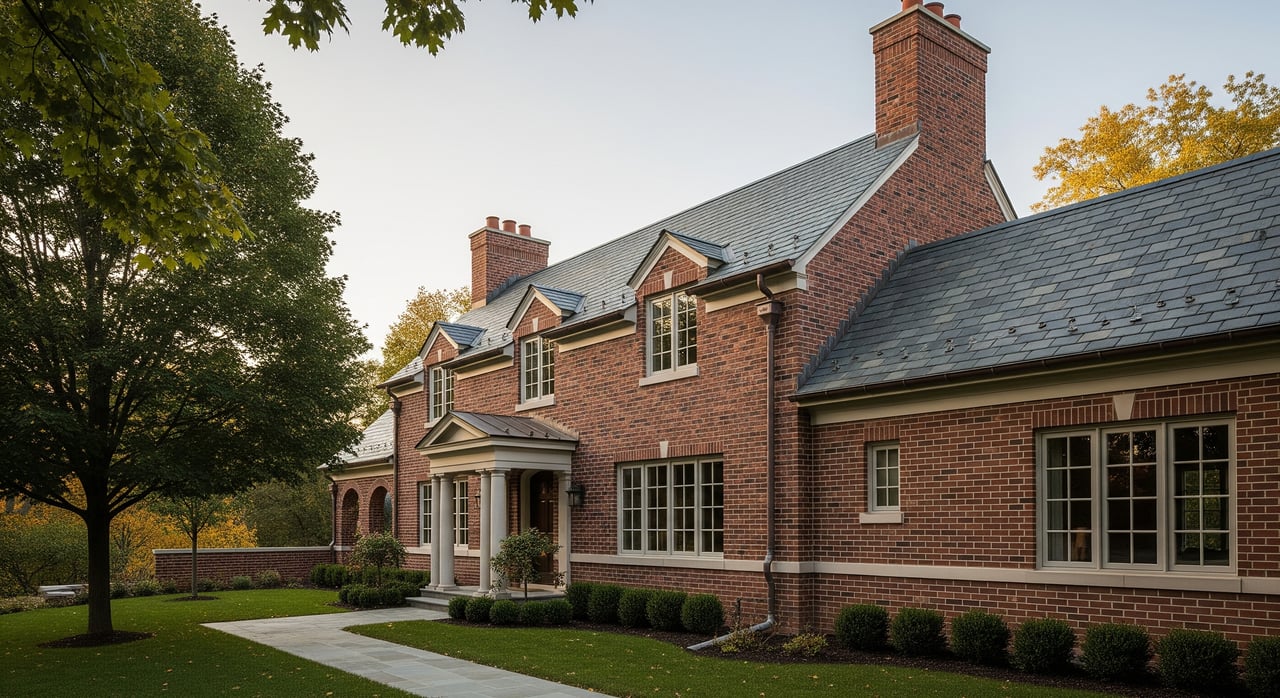
Essential Minnesota Home Inspection Basics for Edina Buyers
December 4, 2025
December 4, 2025
Buying in Edina and wondering what a Minnesota home inspection actually covers? You want a clear picture before you commit, but the process can feel technical and fast. In a few minutes, you will know what gets inspected, what is common in Edina homes, how the timeline works, typical costs, and how to use your report to negotiate with confidence. Let’s dive in.
A standard pre-purchase inspection is a visual check of the home’s major systems and accessible areas. Inspectors typically review the roof, exterior, foundation and structure, garage, plumbing, heating and cooling, electrical systems, insulation and ventilation, built-in appliances, and fireplaces at a basic level.
Common exclusions include concealed components, cosmetic-only issues, code compliance checks, and environmental hazards such as radon, lead, or asbestos unless you add those tests. Sewer lateral scoping and well or septic evaluations are also separate services.
Many inspectors follow national Standards of Practice through groups such as ASHI or InterNACHI. Scope varies by inspector and by contract, so review the written inspection agreement before you book. Ask about credentials, continuing education, and errors and omissions insurance.
Edina has a mix of mid-century homes, renovated properties, and newer builds. In older houses, you may see original windows, aging mechanicals, and past renovations with varying quality. In newer homes, the focus shifts to workmanship and proper ventilation.
Cold winters and freeze-thaw cycles shape what inspectors watch closely. Ice dams, attic ventilation and insulation, roof flashing, and moisture control are key. Basements can show seasonal dampness, so drainage, grading, and gutter performance are important.
Most properties have municipal water and sewer, but older sewer laterals can crack or be invaded by tree roots. Radon is a regional concern in Minnesota, so testing is commonly recommended. Homes built before 1978 may have lead-based paint. Asbestos can be present in some mid-century materials and is typically evaluated only if you plan to disturb those materials.
Your purchase agreement sets the inspection contingency timeline. In many Twin Cities transactions, buyers have about 7 to 14 days from acceptance to complete inspections, but your contract may differ. Plan ahead so you have time to review results and negotiate.
A typical single-family inspection takes about 2 to 3 hours. Larger, older, or complex homes can take longer, especially if you add services like a sewer scope or radon test. Most inspectors deliver photo-rich reports within 24 to 72 hours.
Budget ranges vary by size, age, and scope, but you can plan for:
Confirm pricing when you book. It is best practice to attend so you can see issues firsthand and ask questions.
You might see hairline settlement cracks or past water stains. Small cracks are common in older homes. Active water intrusion, standing water, or significant movement are higher priority and may need a specialist, such as a structural engineer or waterproofing contractor.
Inspectors often note downspouts that discharge too close to the foundation, missing extensions, or grading that sends water toward the house. Correcting drainage is usually a top priority because recurring moisture can damage basements and finished spaces.
Expect comments on shingle age, flashing, insulation depth, ventilation, and any signs of leaks or ice dams. Older roofs may be near end of life, and you might see phrases like “near end of serviceable life” or “recommend evaluation by roofing specialist.”
Aging furnaces, boilers, air conditioners, or heaters without recent maintenance are common. You may see notes about missing combustion air, outdated venting, or service due. Ask for service history to gauge remaining life.
Older panels can be at capacity and may lack GFCI or AFCI protection in recommended areas. Inspectors flag open splices, exposed wiring, or improper breakers as safety items. Some older wiring types may be present and should be reviewed by a licensed electrician if flagged.
Inspectors may note galvanized piping, corroded fittings, slow drains, or marginal water pressure. A sewer lateral camera inspection can reveal root intrusion or breaks that are not visible during a standard inspection.
Original single-pane windows, worn sills, and doors that stick due to settlement are common. These items are often maintenance or efficiency concerns. Costs for upgrades can add up, so plan accordingly.
Radon is a statewide focus, and testing is recommended. In pre-1978 homes, lead-based paint is possible. Asbestos may be present in some older materials. Testing is usually targeted and done when you plan to renovate or when the inspector sees reason for concern.
Most reports sort issues into categories:
Phrases you may see include “major safety concern,” “recommend evaluation by specialist,” or “near end of useful life.” Ask your inspector to walk through the big-ticket items so you understand urgency and likely costs.
Start by reviewing safety and major systems. Ask your inspector to clarify any unclear items and whether a specialist is recommended. For larger repairs, get contractor estimates to strengthen your negotiation.
Your options typically include requesting repairs, asking for a credit at closing, negotiating a price reduction, accepting the home as-is, or canceling if allowed by your contingency. Focus on safety, moisture, and major systems that affect durability and financing. Cosmetic requests are less likely to gain traction.
Market conditions matter. In a competitive market, sellers may favor buyers who request fewer repairs. In a more balanced market, you may have more room to negotiate. Consider alternatives such as repair credits, escrow holdbacks, or seller-completed repairs with receipts and warranties.
Work with your agent to follow contract procedures and deadlines. Compare the report with the seller’s disclosures. If a known defect was not disclosed, you may have additional remedies under your purchase agreement.
When you understand what to expect in Edina, an inspection becomes a tool, not a hurdle. With the right timeline, targeted add-ons, and a focused request list, you can protect your budget and move forward with confidence.
If you are preparing to buy in Edina or nearby Twin Cities communities, our team can guide you through each step and advocate for smart, timely negotiations. Connect with the Cooking Real Estate Team to get started.


Buying or selling a home? The Cooking Real Estate Team will guide you, negotiate for you, and help you get the best results. Contact us to get started.
1625 Radio Dr STE 100 Woodbury, MN 55125-1854