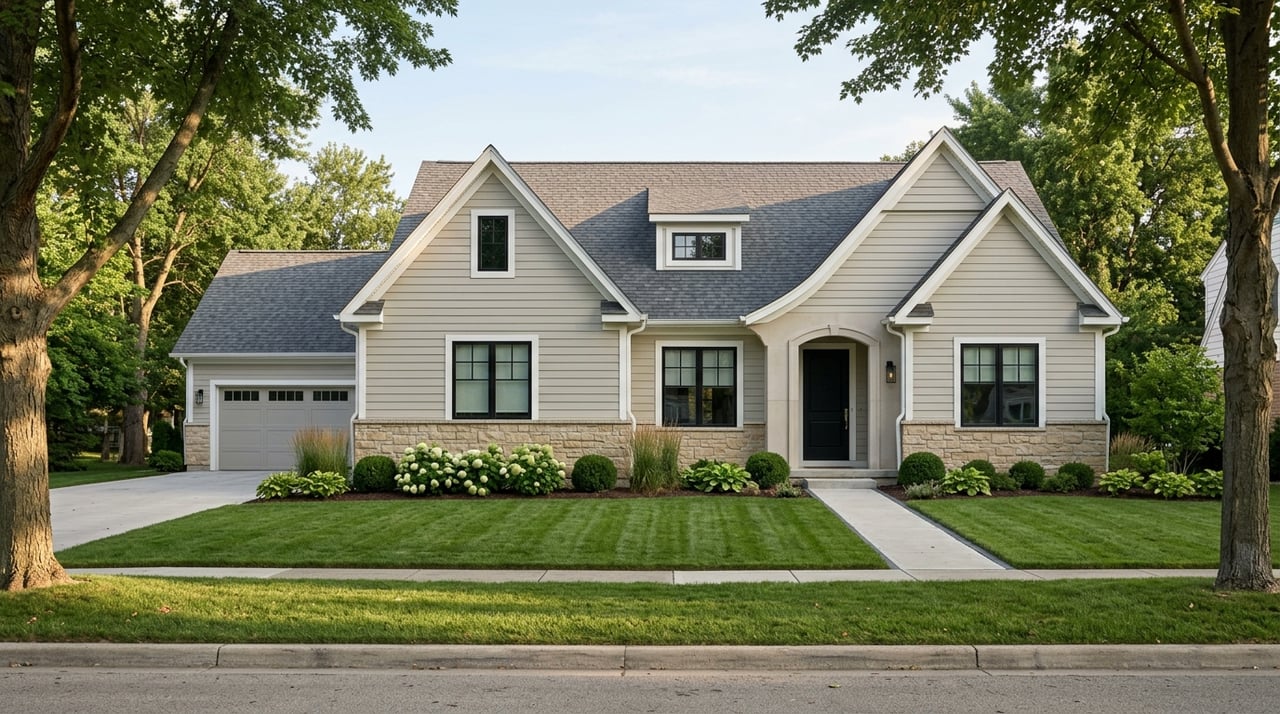
Your Hastings MN Real Estate Guide to River Town Living
April 2, 2026
April 2, 2026
Looking for a place that feels connected to the Twin Cities but still has its own identity? Hastings stands out because it offers river views, a historic downtown, and a housing market with options for many kinds of buyers and sellers. If you want to understand what makes this Dakota County city different, this guide will walk you through Hastings lifestyle, housing, and market context so you can move with confidence. Let’s dive in.
Hastings is rooted in its location at the junction of the St. Croix and Mississippi Rivers. According to the City of Hastings history archive, river access and nearby Vermillion Falls helped shape the city as an early shipping and milling center.
Today, Hastings has evolved into a Twin Cities suburb while keeping its small-town river-town character. That blend is a big part of the appeal if you want everyday convenience without giving up a strong sense of place.
One of the biggest lifestyle draws in Hastings is downtown. The city describes East Second Street as a Main Street lined with nearly fifty historic buildings that have been adapted for modern retail and other uses, giving the area a mix of old character and current-day function.
The city also highlights downtown as a historic business district with both commercial and residential properties connected to the Mississippi River, Levee Park, and regional trails. If you value walkable surroundings, distinctive architecture, and a setting that feels established, downtown Hastings has a lot to offer.
Historic preservation plays a visible role in Hastings real estate. The city reports about 170 locally designated properties and 63 properties on the National Register of Historic Places, which speaks to how much of the community’s built character has been preserved over time.
For buyers interested in older homes near downtown, Hastings has also created Original Hastings Design Standards that focus on buildings from roughly 1845 to 1940. Those standards emphasize features like front porches, sidewalks, alleys, carriage houses, and traditional street lighting, which help explain the feel of some of the city’s older residential areas.
If outdoor access matters to you, Hastings has a strong case to make. The city says it maintains about 400 acres of open space, 37 parks, and roughly 30 miles of paved biking and walking trails.
That matters in daily life because recreation in Hastings is not limited to one park or one season. You have access to riverfront biking, scenic overlooks, and even the 25-foot Vermillion River waterfall, which adds to the city’s distinct natural setting.
Hastings highlights a 10-mile loop that follows the Mississippi River and Vermillion River. Dakota County also notes that the Mississippi River Greenway runs from St. Paul to Hastings and connects to the Hastings 10-Mile Scenic Circuit and the Point Douglas Regional Trail.
For buyers coming from elsewhere in Minnesota or from western Wisconsin, those trail links support a broader regional lifestyle. Washington County notes the Point Douglas Regional Trail extends toward Prescott, Wisconsin, connecting into Hastings through the pedestrian bridge and highway bridge system, which reinforces Hastings’ cross-river appeal.
Water access is part of the local lifestyle too. Hastings lists a public Mississippi River boat launch at Jaycee Park, a Mississippi River dock west of the Highway 61 bridge, and fishing or launch access at Lake Isabel and Lake Rebecca on its boating and fishing page.
The riverfront is also active beyond recreation. The city says Levee Park hosts year-round programming, and local arts programming includes summer concerts, Music + Market, free performances, and Rivertown Days. If you are looking for a community where the river is part of everyday life rather than just a backdrop, Hastings delivers on that front.
Hastings is an established city with a 2024 estimated population of 22,502, according to the U.S. Census Bureau QuickFacts. QuickFacts also reports an owner-occupied housing rate of 76.4%, median household income of $93,998, and median gross rent of $1,183.
Census Reporter shows a median age of 41 and a mean travel time to work of 25.3 minutes. For many buyers, that points to a community that supports both local identity and practical regional access.
Recent data suggests the market centers in the low-to-mid $300,000s. Zillow reports a typical home value of $329,958 as of February 28, 2026, while Redfin reports a February 2026 median sale price of $364,000.
Those numbers track different measurements, but together they suggest a market where many homes cluster around the low-to-mid $300Ks. Redfin also reports homes selling in 47 days and describes Hastings as a very competitive market, with many homes receiving multiple offers and average sale prices landing about 1% below list price.
Hastings is not a one-format housing market. The city’s housing plan says the community supports a range of housing choices, including attached and detached single-family homes, manufactured homes, multifamily housing, and apartments.
The same plan notes that recent development has included single-family detached homes, twin homes, townhomes, and apartment units. That variety matters whether you are a first-time buyer, a move-up buyer, a downsizer, or a seller trying to understand who may be shopping for your home.
For broad price bands by property type, city-data’s 2023 estimates place detached houses around $377,000 and townhomes or other attached units around $293,726, with other categories ranging lower depending on structure type. These figures are best viewed as directional rather than exact listing benchmarks, but they help illustrate the spread of options in the market.
Hastings works for buyers who want more than just a house. It offers a lifestyle mix that includes suburban access, a real downtown, riverfront recreation, and housing options that range from historic homes to newer attached and detached properties.
For Twin Cities area movers, the appeal is straightforward. You can stay connected to the metro while living in a city the local government itself describes as having retained its small-town character.
For some Wisconsin movers, Hastings may also feel like a natural fit because of the broader river corridor connections and access to cross-state routes and trail systems. That can be especially appealing if you want to stay tied to both sides of the river while keeping access to East Metro services and amenities.
If you are selling in Hastings, the city’s mix of lifestyle advantages can help shape buyer interest. River-town identity, downtown character, trail access, and housing variety all give buyers multiple reasons to focus on the area.
At the same time, a competitive resale market means pricing, presentation, and timing still matter. When homes may face multiple offers but average sales still come in close to list price, strong marketing and local market guidance can make a real difference in how your property is received.
If you are comparing East Metro communities, Hastings offers a specific kind of value. It combines historic character, outdoor access, and a housing market broad enough to fit different life stages and property goals.
That does not mean every part of the market feels the same. Some buyers will be drawn to older homes near downtown, while others may prefer newer single-family options, attached housing, or homes with easier access to trails and commuter routes. The key is understanding how your priorities line up with the city’s neighborhoods, housing stock, and price points.
If you are thinking about buying or selling in Hastings, working with a team that understands East Metro moves, pricing strategy, and cross-state transitions can help you make sense of your next step. The Cooking Real Estate Team is here to help you navigate the Hastings market with clear advice, responsive service, and local insight.

Buying or selling a home? The Cooking Real Estate Team will guide you, negotiate for you, and help you get the best results. Contact us to get started.
1625 Radio Dr STE 100 Woodbury, MN 55125-1854