Relocating To Plymouth MN: Housing And Commute Guide
May 21, 2026
May 21, 2026
Thinking about a move to Plymouth, MN? If you are trying to balance housing options, commute time, and day-to-day convenience, Plymouth deserves a close look. This guide will help you understand what kinds of homes you are likely to find, how people get around, and what everyday life can look like once you arrive. Let’s dive in.
Plymouth is a large northwest suburb about 12 miles from Minneapolis, which makes it a practical option if you want suburban space with access to the metro. The city highlights I-494 and Highway 55 running through Plymouth, with Highway 169 along the eastern border and I-394 within four miles of the city center. That road network is a big reason many buyers consider Plymouth when comparing commute-friendly suburbs.
Plymouth also has a strong local base for work and daily life. The city reports roughly 54,000 jobs locally, which means some residents may be able to shorten their commute or even stay close to home for work. With an estimated 78,942 residents in July 2025, Plymouth offers the scale of a major suburb while still giving you distinct areas with different housing patterns.
If you are relocating to Plymouth, the first thing to know is that it remains primarily owner-occupied. Census data shows 75.1% of housing units are owner-occupied, with a median home value of $491,200. That points to a market where buying is a major part of the local housing picture.
For monthly costs, the Census reports a median monthly mortgage cost of $2,583 and a median gross rent of $1,766. Those numbers can help you set expectations if you are comparing renting versus buying before or after your move. They are also useful if you are relocating from another Twin Cities suburb and want a quick cost benchmark.
Plymouth’s land-use plan shows that many areas are built around lower-density housing. In LA-1 areas, the city centers land use on detached homes, two-unit homes, and occasional townhomes. In LA-2 areas, the mix expands to include detached and attached homes plus townhomes.
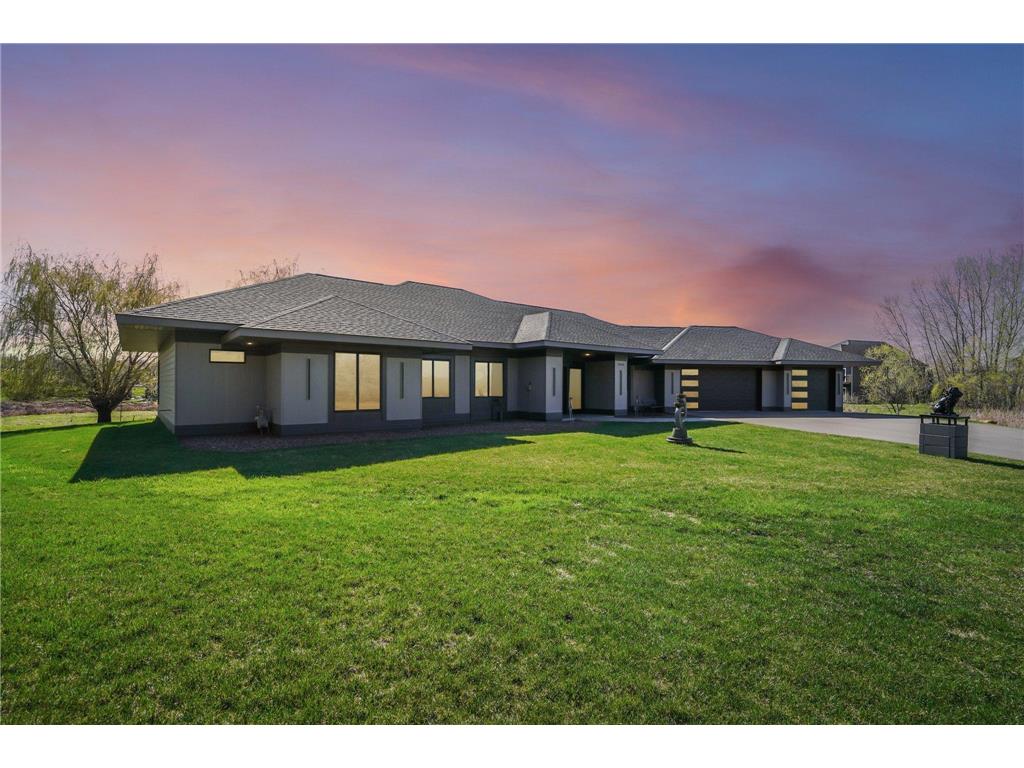
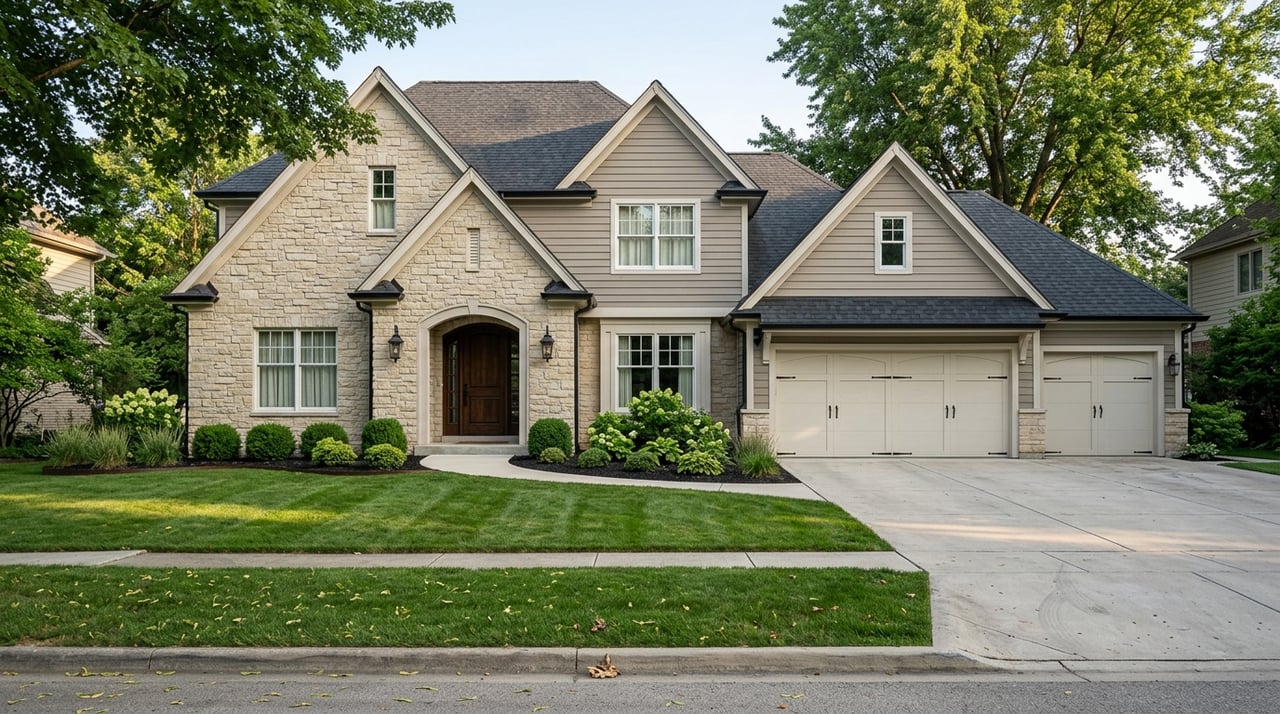
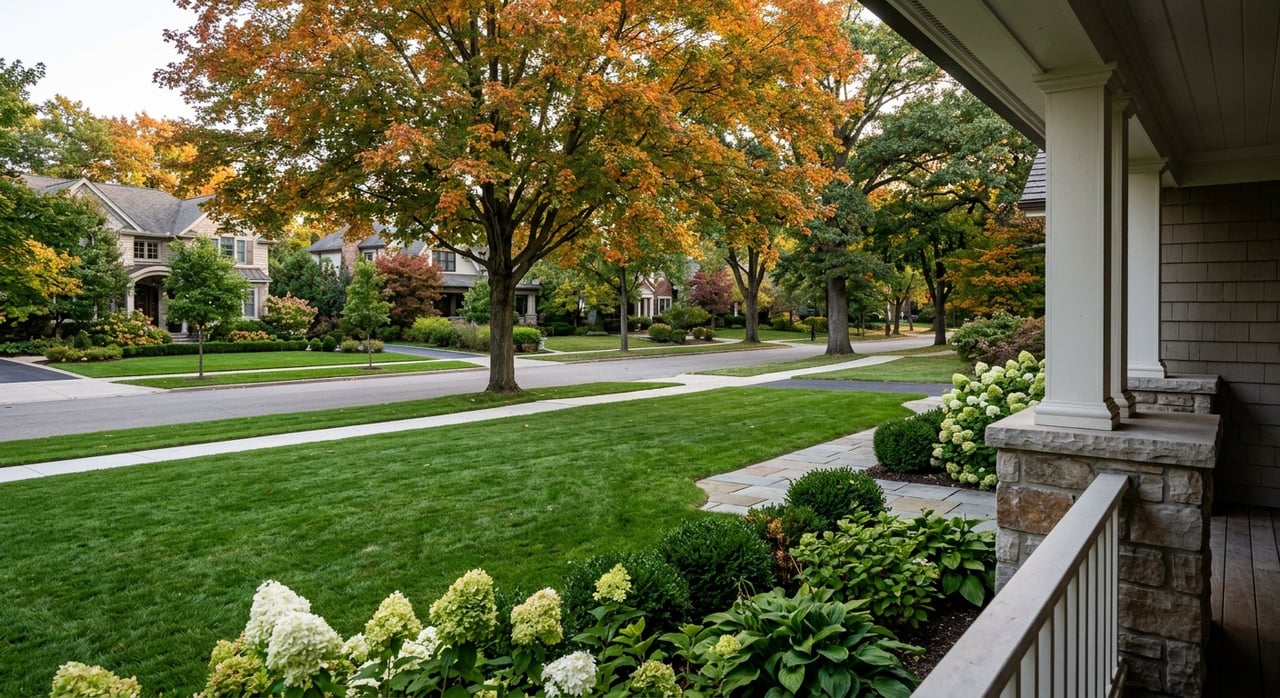
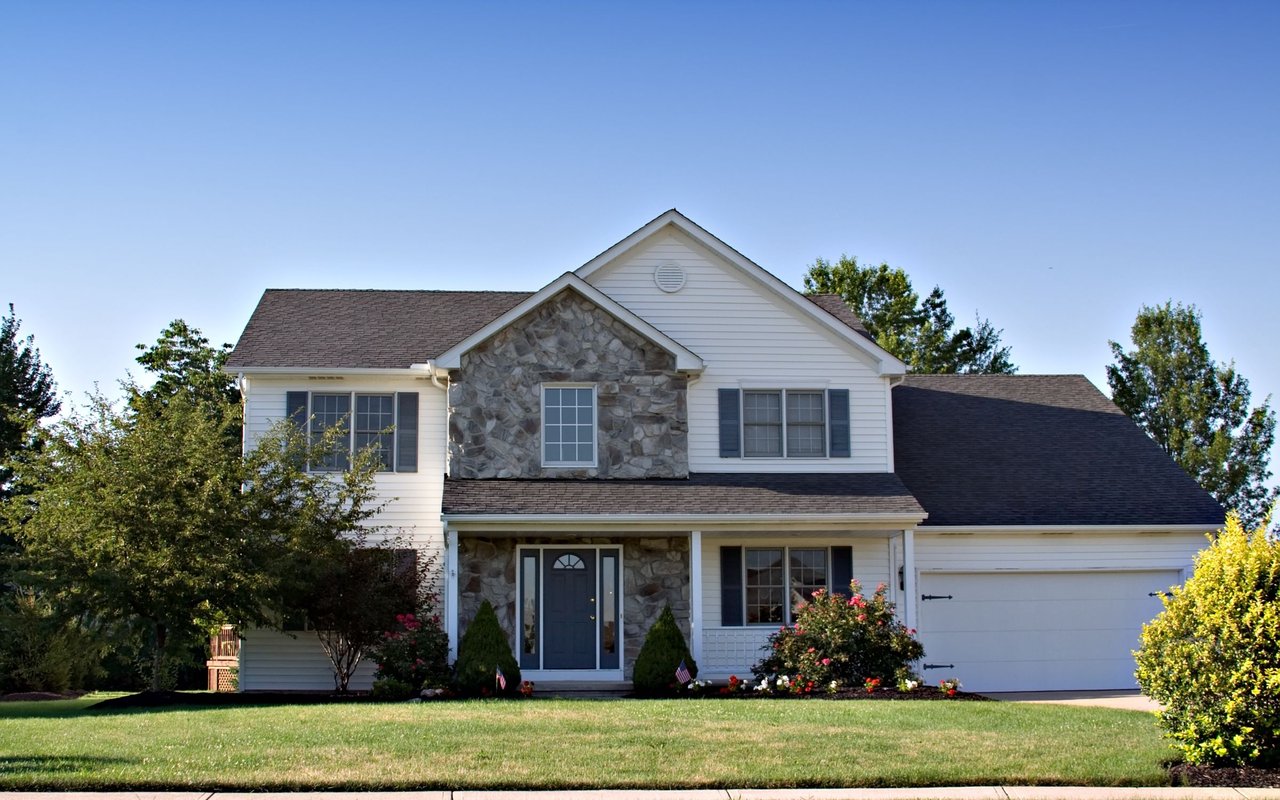
In practical terms, that means many buyers will find a suburban housing pattern with detached homes playing a major role. If you want more yard space, a traditional neighborhood layout, or a home that feels removed from higher-density development, much of Plymouth is planned with that in mind.
Plymouth does include apartments, townhomes, and mixed residential settings, but those options are generally concentrated in specific locations rather than spread evenly across the city. Recent city plan amendments show denser housing has been directed to targeted redevelopment sites such as Mission Ponds, Bassett Creek Apartments, Enclave, and City Center.
That matters for your home search because it gives you a clearer map of where to look. If you prefer a condo, apartment, townhome, or a more mixed-use setting, you will likely focus on those nodes and corridors instead of expecting the same housing mix across every part of Plymouth.
City Center is the main higher-density pocket in Plymouth and stands out from the city’s more common low-density pattern. The city updated zoning there in 2023 to allow apartments, townhomes, and mixed-use residential. If you want a setting with more nearby services and a less car-dependent feel for some errands, this area is worth a closer look.
The city describes City Center as the geographic center of Plymouth, about one mile west of I-494 on Highway 55. It includes City Hall, Plymouth Library, the Hilde Performance Center, the Plymouth Ice Center, Life Time, businesses, restaurants, and other everyday destinations. For relocators who want housing plus convenience in one area, City Center offers a different type of lifestyle than many traditional neighborhood sections of Plymouth.
City Center is also the main convenience hub for errands and activities. The city’s visitors guide lists grocery and gas options, along with dining, shopping, a movie theater, the Hennepin County Library, the Plymouth Community Center, the Plymouth Ice Center, and Life Time. The city also describes the district as a walkable, pedestrian-friendly downtown, with added trail improvements from the 2024 Plymouth Boulevard redesign.
If your goal is to simplify daily routines after a move, that concentration of amenities can be a real advantage. Instead of driving across multiple suburbs for basics, you may find many regular stops grouped in one part of the city.
For many buyers, commute planning is just as important as the home itself. Plymouth’s main driving corridors are I-494, Highway 55, Highway 169, and I-394. According to the city, these routes are a key reason Plymouth offers broad metro access and easier access to downtown Minneapolis.
If you work in Minneapolis or need flexibility for travel across the west and northwest metro, these connections can help. They also make it easier to compare different parts of Plymouth based on how close you want to be to a major route. During a relocation search, that can save you time by narrowing down neighborhoods that fit your routine.
Driving is not your only option in Plymouth. Plymouth Metrolink is the city’s core transit service, offering express commuter routes to downtown Minneapolis and the University of Minnesota, along with reverse-commuter service. For buyers who want alternatives to solo driving, that can add useful flexibility.
Plymouth also offers Click-and-Ride, an on-demand shuttle for local trips. This service runs seven days a week and serves all of Plymouth, plus select destinations such as Ridgedale Center, Colonial Square in Wayzata, Golden Valley Center, businesses near Highway 55 and County Road 101, and Maple Grove Transit Station. That can be especially helpful if you want support for errands, appointments, or connecting to other transit points.
Plymouth’s park-and-ride system adds another layer of convenience for commuters. The city lists several free lots, including Station 73 at Highway 55 and County Road 73, St. Philip on County Road 6, the Northwest Greenway Pavilion, Plymouth Ice Center, and the former Four Seasons Mall site. The Reserve is listed as a walk-up shelter in a high-density residential area.
Two of the largest lots have notable capacity. Station 73 has 288 spaces, and St. Philip accommodates 100 vehicles. If you plan to commute by express bus but still want the flexibility of driving part of the way, those park-and-ride options are worth factoring into your home search.
A relocation decision is not only about getting to work. It is also about what your evenings, weekends, and routine errands look like once the boxes are unpacked. Plymouth has a substantial parks and trails system that supports outdoor time and local recreation.
The city reports 1,834 acres of park land and 188 miles of city, state, and regional trails. That includes neighborhood parks, natural areas, playfields, and special-use facilities such as the Hilde Performance Center, Plymouth Community Center, Plymouth Dog Parks, and Plymouth Ice Center. If access to trails and recreation matters to you, Plymouth offers meaningful day-to-day options.
One standout resource is the Northwest Greenway, a nearly 315-acre wooded preserve. It includes about 7.7 miles of paved trails, access points near neighborhood parks, and links to the Medicine Lake Regional Trail, Clifton E. French Regional Park, and Elm Creek Park Reserve.
For many relocators, features like this shape quality of life just as much as square footage does. Whether you enjoy walking, biking, or simply having green space nearby, the trail network can influence which part of Plymouth feels like the best fit.
If school boundaries are part of your move, Plymouth is important to map carefully. The city says Plymouth is served by four public school districts. Most of the city is in Wayzata Public Schools, while Robbinsdale serves the east-central area, Osseo serves the northeast area, and Hopkins serves the southeast corner.
This is one of the biggest reasons buyers should not assume one district covers the whole city. If district assignment is a priority, you will want to confirm a specific property’s location early in your search. That can help you avoid wasting time on homes that do not match your practical needs.
If you are moving to Plymouth, it helps to start with your lifestyle before you start scrolling listings. Ask yourself whether your top priority is a detached home, a lower-maintenance townhome, easier transit access, or being close to shopping and services. Plymouth has room for each of those priorities, but not usually in the exact same pocket of the city.
A simple way to think about it is this:
Plymouth offers a mix that appeals to many Twin Cities relocators: a largely owner-occupied housing base, strong road access, transit options, and a solid range of parks, trails, and daily conveniences. It is not a one-size-fits-all suburb, which is actually part of its appeal. Different parts of the city can support different priorities, from traditional detached homes to more connected, higher-density living near City Center.
If you are weighing a move and want help narrowing down the right area, home type, and commute strategy, the Cooking Real Estate Team can guide you through the process with clear, local insight and responsive support.
Real Estate
Buying or selling a home? The Cooking Real Estate Team will guide you, negotiate for you, and help you get the best results. Contact us to get started.
1625 Radio Dr STE 100 Woodbury, MN 55125-1854