Living in Cottage Grove MN: Explore Homes, Parks, and Life
June 4, 2026
June 4, 2026
If you want a Twin Cities suburb that gives you room to spread out without feeling disconnected from the metro, Cottage Grove deserves a closer look. For many buyers, the challenge is finding a place that balances housing choices, commute access, parks, and the kind of everyday amenities that make life feel easier. This guide walks you through what living in Cottage Grove, MN is really like, from homes and lot sizes to trails, recreation, and daily routines. Let’s dive in.
Cottage Grove is a growing southeast Twin Cities suburb with convenient access to St. Paul and the broader metro area. The U.S. Census Bureau estimates the city’s population at 43,604 as of July 2025, which reflects continued growth since 2020. That growth matters because it often signals ongoing demand, community investment, and a city that continues to evolve.
The city also offers a practical suburban rhythm. Census data reports a mean travel time to work of 23.9 minutes, which can appeal to buyers who want more space at home while keeping metro commuting realistic. Median household income for 2020 through 2024 was reported at $120,791, adding context for the area’s established residential base.
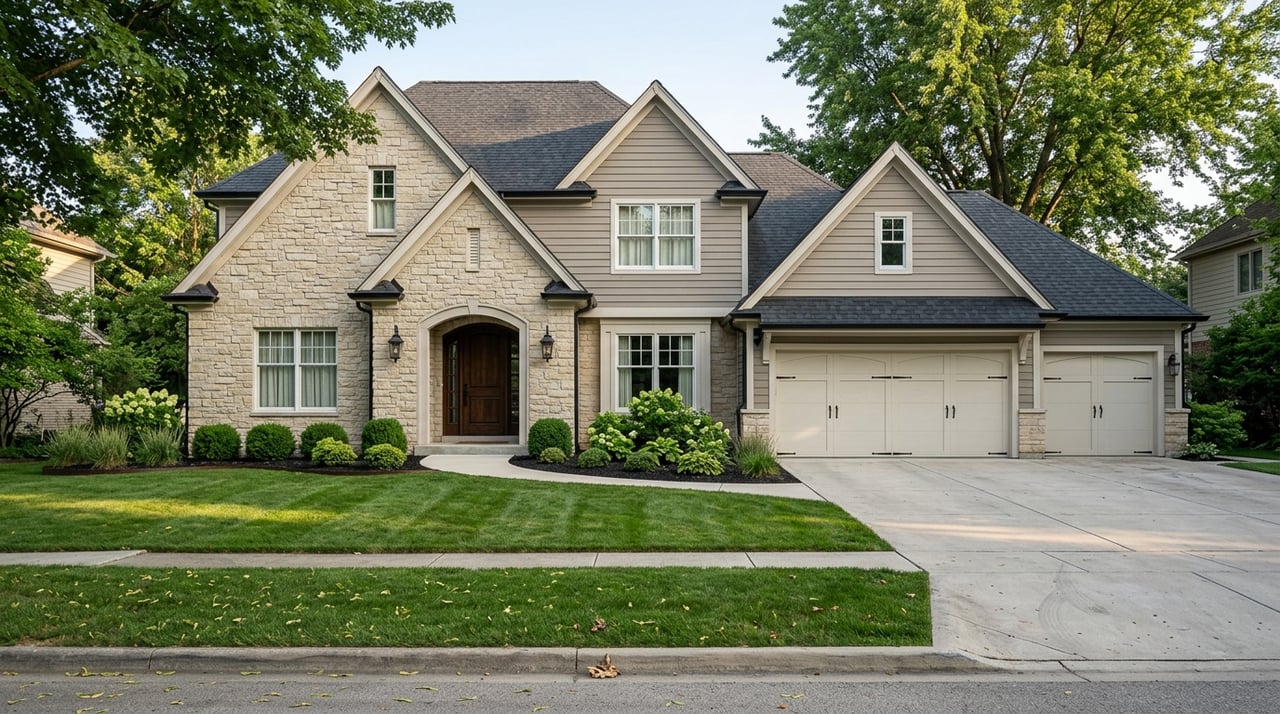
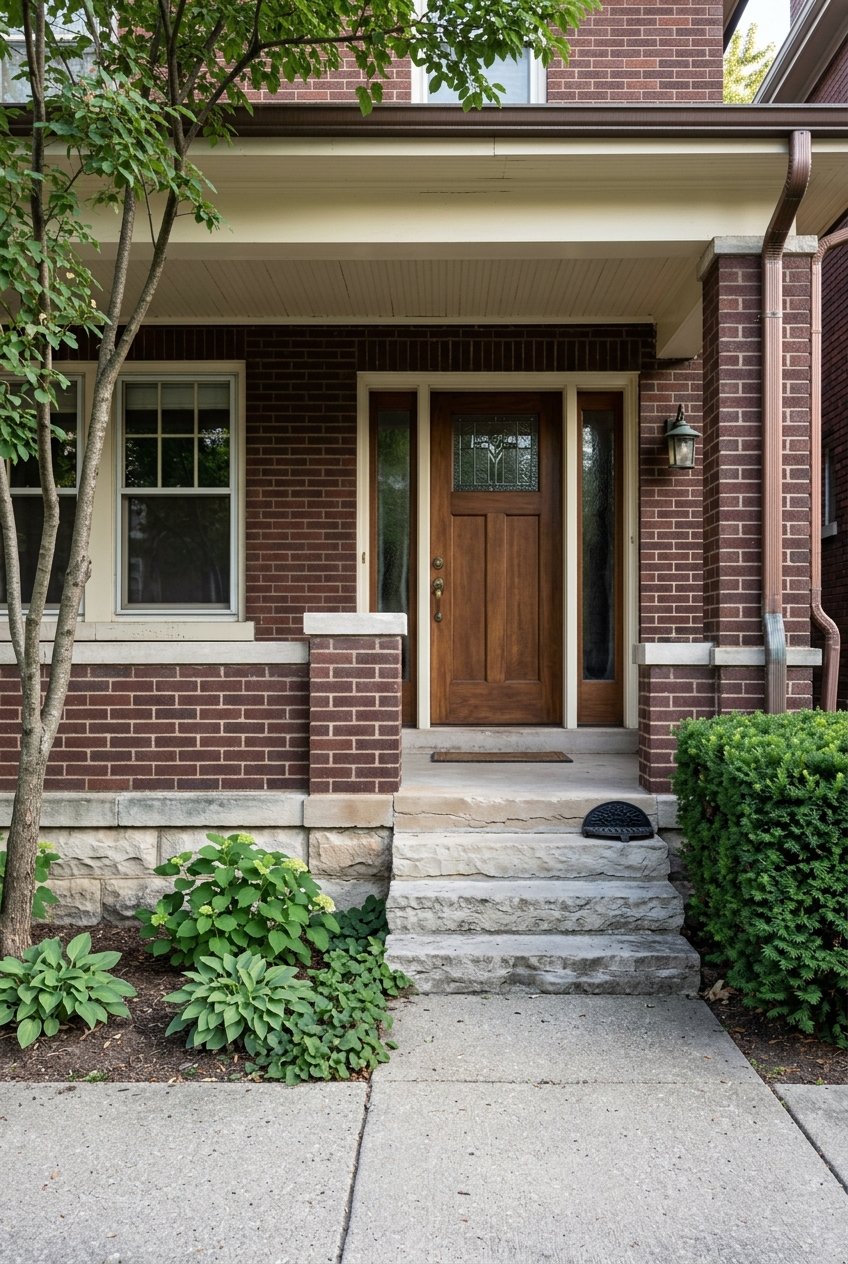
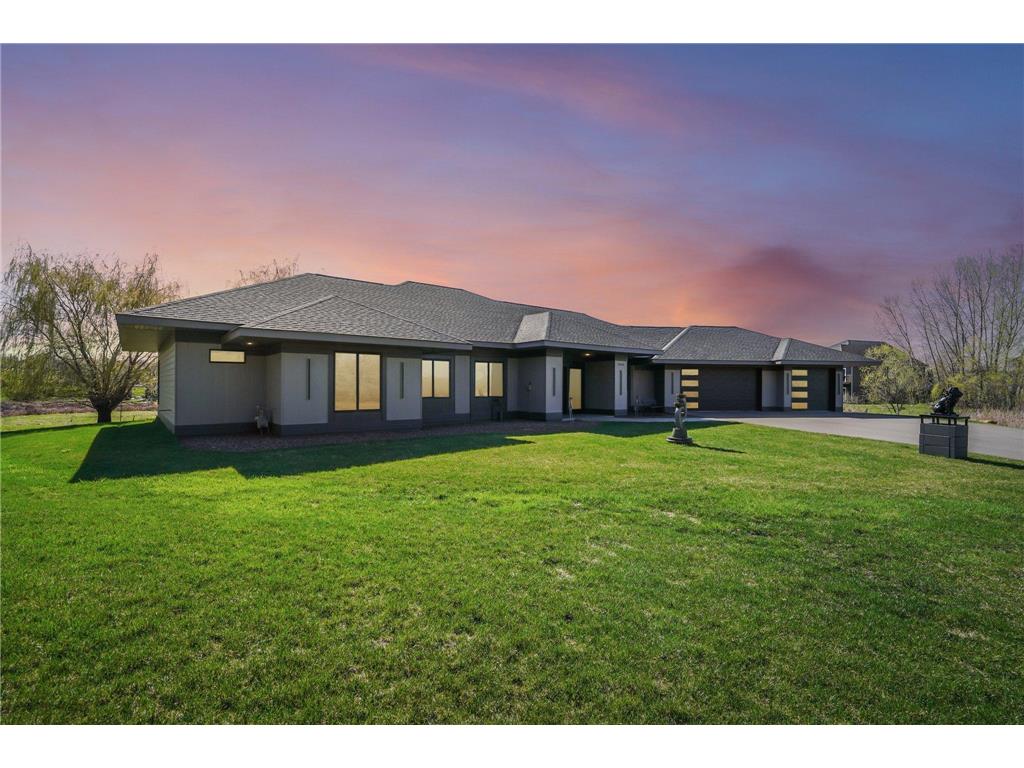
Cottage Grove is still primarily known for single-family living, but the housing mix is broader than many people expect. According to the city, most owner-occupied homes are single-family homes with attached garages, and the 2024 housing analysis says single-family detached homes make up 91% of owned units. At the same time, townhomes and twin homes offer lower-maintenance options for buyers who want less exterior upkeep.
The housing stock also reflects several stages of community growth. The city’s housing analysis says the largest share of homes was built in the 1990s, though the market also includes rental, multifamily, and senior housing. That means you will find a mix of more established neighborhoods and newer residential areas rather than one single look or era across the city.
Home values vary depending on the source and timing, which is normal in any market. Census ACS data places the median value of owner-occupied homes at $378,800, while the city’s 2024 housing analysis cites a median resale price of $392,500. For buyers and sellers, that points to a market with meaningful value but still a range of options depending on property type, age, condition, and location within the city.
If yard space matters to you, Cottage Grove often delivers a classic suburban feel. The city’s comprehensive plan background report lists a historic median lot size of 0.30 acres and a mean lot size of 0.35 acres. In real terms, that usually means many homes offer more breathing room than you might find in more compact inner-ring suburbs.
There is also variety across zoning districts. Current residential standards range from 45-foot minimum lot widths in R-4 districts to 3-acre minimum lots in R-1 districts. Put simply, Cottage Grove includes both more traditional neighborhood lots and some larger-lot pockets that can appeal to buyers looking for extra outdoor space.
One reason Cottage Grove continues to attract attention is its balance of suburban space and regional access. City transportation planning describes a roadway system that includes neighborhood streets as well as a regional principal arterial. City materials also note the business park sits along four-lane Highway 61 and is 6.2 miles from Interstate 494.
If you commute into the metro, transit is part of the picture too. Metro Transit’s express Route 363 runs between the Cottage Grove Park & Ride and downtown Minneapolis by way of downtown St. Paul. The park-and-ride includes 525 surface spaces and a heated waiting area, which gives commuters another option besides driving the full trip.
For day-to-day movement around town, trails and sidewalks matter just as much as roads. The city’s transportation plan emphasizes sidewalks, trails, and transit as part of future development, which supports a more connected feel for residents who like to walk, bike, or access local parks without always relying on a car.
Parks are a major part of daily life in Cottage Grove. City materials highlight a large parks network, 45 miles of trails, an all-inclusive playground, a municipal golf course, and year-round recreation programs. If you value outdoor access, this is one of the city’s biggest strengths.
Ravine Regional Park is one of the standout destinations. The city describes it as a 515-acre Washington County park with hills, wooded ravines, a small lake, and groomed cross-country skiing trails. It gives residents a more natural setting for walking, winter recreation, and time outdoors without leaving the city.
The Cottage Grove Trailway Corridor adds another layer to that park system. This more than 97-acre paved trail and greenway connects Ravine Regional Park to Hidden Valley Park and supports biking, walking, running, and rollerblading. For many residents, that kind of trail connection makes recreation feel like part of everyday life, not just a weekend plan.
Several city parks support a wide range of activities for different ages and interests. Kingston Park spans almost 55 acres and includes more than 11 soccer fields, basketball and tennis courts, a large play structure, open space, and trail connections. It is the kind of park that supports both organized activities and casual afternoons outside.
Woodridge Park is another local highlight. It includes a 23,000-square-foot inclusive playground with 82 pieces of equipment, plus paved and natural trails connected to Hillside Trail, Jamaica Avenue, and Ravine Regional Park. For buyers who want recreation close to home, this kind of amenity can shape how a neighborhood feels day to day.
Pine Tree Pond Park offers a different kind of outdoor experience. Its 25 acres include paved and natural scenic trails, a sledding hill, and the city’s only archery range. Glacial Valley Park, the city’s newest community park, adds sports fields, basketball and pickleball courts, a large playground, picnic areas, trails, an ice-skating rink, and a 4,000-square-foot multi-use building.
Cottage Grove’s amenities go beyond standard playgrounds and ballfields. The city also highlights a bike park, kayak rentals at Hazen P. Mooers Park, a splash pad at Highlands Park, and WAG Farms Dog Park. These smaller but useful features can make the city feel more rounded for residents with different hobbies and routines.
Seasonal recreation is part of the local rhythm too. Ravine Regional Park offers snowshoe, cross-country ski, and kayak rentals, while Shepard Farm includes free public trails, farm animals, community gardens, and beekeeping spaces for rent. That mix gives you several ways to stay active and connected to the outdoors throughout the year.
For indoor and structured recreation, the Cottage Grove Ice Arena is a notable local asset. The city-owned facility hosts figure skating, hockey, skating school, public skating, and indoor turf use. River Oaks Golf Course and Event Center adds a public 18-hole course, Mississippi River views, a Toptracer driving range, and event space on the southern border of Cottage Grove.
Daily life in Cottage Grove tends to center on a mix of home, commuting, parks, and community events. The city’s resident resources point to recurring annual events that help create a sense of local tradition. These include the Strawberry Festival, Food Truck Festival, Hometown Holiday, the Monster Bash Parade, and the CPKC Holiday Train stop.
The Strawberry Festival is especially notable. The city describes it as a four-day event focused on community activities and says it draws an estimated 25,000 visitors. Events like that can give residents regular touchpoints throughout the year and make it easier to feel plugged into the local calendar.
Practical city services also shape the moving experience. New residents are directed to resources for transportation, utilities, trash and recycling, and other city basics, as well as Discover Cottage Grove for local events, rental facilities, lodging, shopping, and things to do. That kind of organized onboarding can make a relocation feel more manageable.
Cottage Grove can be a strong fit if you want a suburban setting with a mostly single-family housing base, useful commute options, and a parks system that plays a real role in daily life. It may also appeal to buyers looking for a range of lot sizes, from more standard neighborhood settings to larger-lot areas. If your goal is to find a place where outdoor access and practical metro connectivity can coexist, Cottage Grove is worth exploring.
For sellers, these same features help tell the story of the market. A strong recreation network, established single-family neighborhoods, and continued city growth can all shape buyer interest. When it is time to position your home, understanding how these local lifestyle factors connect to value is important.
Whether you are buying your first home in Cottage Grove, moving up into more space, or preparing to sell, local guidance makes a difference. The Cooking Real Estate Team can help you understand how Cottage Grove fits your goals and what to expect from the local market.
Real Estate
Buying or selling a home? The Cooking Real Estate Team will guide you, negotiate for you, and help you get the best results. Contact us to get started.
1625 Radio Dr STE 100 Woodbury, MN 55125-1854