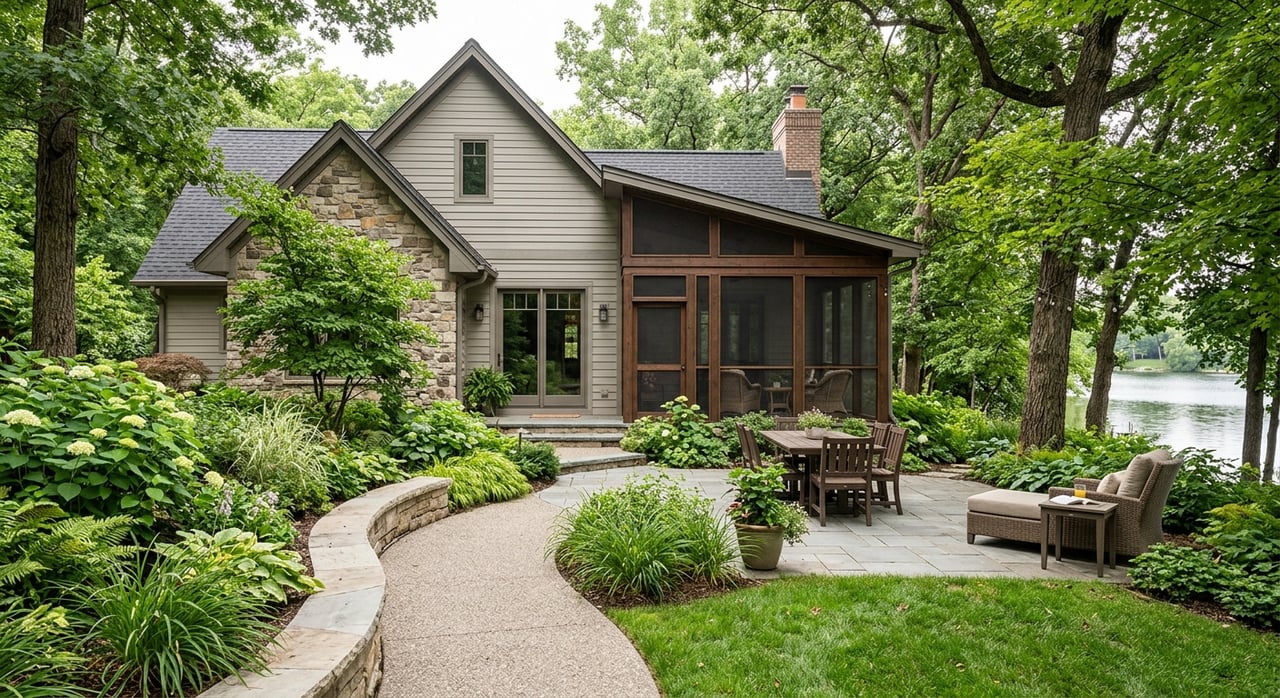
Living in Plymouth MN: Explore Lakes, Trails & Neighborhoods
July 16, 2026
July 16, 2026
If you want a suburb that gives you more than just a place to live, Plymouth deserves a closer look. You may be searching for lake access, everyday trail options, or a neighborhood that feels established without feeling dated. The good news is that Plymouth offers all three in different ways, which can make it easier to match your home search to your lifestyle. Let’s dive in.
Plymouth is a large northwest metro suburb about 12 miles from Minneapolis, with a July 1, 2024 population estimate of 78,551. The city describes itself as a community shaped by lakes, rolling terrain, and a blend of residential and commercial areas. That mix gives you a setting that feels residential and active at the same time.
For buyers, that matters because Plymouth does not offer just one type of living experience. Some areas lean more toward lake-oriented homes, while others make it easy to prioritize trails, parks, or lower-maintenance housing closer to civic spaces. If you are relocating within the Twin Cities, Plymouth can appeal to several kinds of buyers at once.
One of the biggest draws of living in Plymouth, MN is the city’s strong connection to water. Plymouth says it has eight lakes and more than 800 wetlands, and Medicine Lake is the second largest lake in Hennepin County. That natural layout influences both recreation and housing patterns across the city.
If you enjoy time on or near the water, Plymouth gives you several public access points to enjoy it. City-managed swimming beaches include East Medicine Lake, West Medicine Lake, and Parkers Lake. Boat launches are available at Parkers Lake and at Medicine Lake through French Regional Park access.
The city also conducts annual water-quality monitoring and maintains a lake access and information map. That kind of ongoing oversight is a helpful detail for buyers who want to understand how the city manages its natural resources. It also reinforces how central lakes are to everyday life in Plymouth.
Medicine Lake stands out as one of Plymouth’s best-known natural features. Beyond its size, it acts as a hub for recreation and helps define the character of nearby areas. If lake proximity is high on your list, this part of Plymouth is often where your attention starts.
French Regional Park adds even more appeal to the Medicine Lake area. Located on the north shore of the lake, the park offers a swimming beach, fishing pier, lighted trails, and access to the Medicine Lake Regional Trail. That means the lake experience here is not limited to summer.
In practical terms, Plymouth’s lake geography tends to create two broad home-search paths. You may find shoreline or near-shore single-family homes in more established areas, or a broader mix of detached, attached, and multifamily homes farther from the water. That pattern lines up with the city’s land-use categories and zoning framework.
If your goal is a classic suburban home near scenic surroundings, lake-adjacent areas may be a natural fit. If you care more about general access to Plymouth’s outdoor amenities than direct water proximity, you may have more options in other parts of the city. That flexibility is one reason Plymouth can work for a wide range of buyers.
Plymouth’s trail system is another major lifestyle advantage. The city reports 188 miles of city, state, and regional trails, along with 1,834 acres of park land. The network helps connect neighborhoods to commercial areas and scenic destinations such as Medicine Lake and Parkers Lake.
That is important if you want outdoor access built into your regular routine, not just saved for weekends. In Plymouth, trails can support walks, bike rides, park visits, and day-to-day movement across the city. For many buyers, that kind of connectivity adds real value to a neighborhood.
The Medicine Lake Regional Trail is a key part of that system. It is a paved 20.7-mile route connecting Elm Creek Park Reserve, Fish Lake, and French Regional Parks, while also linking to the Bassett Creek and Luce Line regional trails. That broad reach makes Plymouth feel connected beyond its own city limits.
French Regional Park itself includes 4.6 miles of trails and 886 acres of water access. Even better for year-round users, the Medicine Lake Regional Trail is plowed in Plymouth during winter months. If you like the idea of staying active through all seasons, that is a meaningful local advantage.
The Northwest Greenway gives Plymouth another layer of outdoor connectivity. According to the city, it connects to neighborhood parks, dog parks, playfields, and the Medicine Lake Regional Trail. That can make it easier to find a home where recreation is part of everyday life.
For buyers, trail access often lines up well with several housing types. Detached homes near neighborhood parks can be a great fit if you want more space, while townhomes or other lower-maintenance options may appeal if you want easy access without as much exterior upkeep. Plymouth’s planning documents also show ongoing neighborhood-park planning tied to new residential development, which suggests recreation access remains part of how newer areas are being shaped.
One of the most interesting things about living in Plymouth, MN is how the city balances maturity with newer growth. Plymouth’s 2040 housing plan says residential growth rose sharply in the 1970s and 1980s. As of 2016, about 67% of the housing stock was less than 35 years old and 41% was less than 25 years old.
That helps explain why Plymouth can feel well-established without feeling stuck in the past. You can find older neighborhoods tied to the city’s earlier growth, but you can also see newer subdivisions and redevelopment areas adding fresh housing choices. For buyers, that usually means more variety in home age, layout, and maintenance expectations.
Older parts of Plymouth are often dominated by detached homes built during the city’s major growth periods. These neighborhoods may appeal to buyers who like mature surroundings and more traditional suburban patterns. In some cases, they may also align with the lake-oriented areas that many buyers first notice.
Because Plymouth is becoming more developed and land is less available, the city says growth in residential housing stock is declining. Its surface-water plan also expects a shift from mostly development projects to mostly redevelopment projects over the next decade. That makes existing neighborhoods and infill opportunities an important part of Plymouth’s future.
Newer subdivisions and redevelopment areas can bring a different set of options. Depending on the location, that may include fresh single-family construction, townhomes, or multifamily homes. For buyers who want updated layouts or lower-maintenance living, those areas may be worth a close look.
The city is also planning neighborhood parks to serve new residents in places such as Pomerleau Lake, Schmidt Woods in the Hollydale area, and Harvest Park phase 2. That is a useful sign that newer residential growth is being paired with recreation access. It supports the idea that Plymouth continues to plan for how people will actually live day to day.
Plymouth is not just about quiet residential streets and outdoor recreation. The city also has visible civic spaces that help create a shared community rhythm. If you want local activities close to home, this part of Plymouth can be a big plus.
The Hilde Performance Center is an open-air bandshell that hosts the Minnesota Orchestra each summer at Music in Plymouth. It also serves as a venue for Kids Fest, Bark in the Park, cultural festivals, and other community events. That gives Plymouth a recognizable gathering place with recurring public programming.
The Plymouth Community Center adds year-round indoor amenities, including walking and fitness space, a gym, a fieldhouse, the K.U.B.E. indoor playground, Millennium Garden, and event rentals. Together, these spaces create options for entertainment, activity, and events across different seasons.
The city calendar includes recurring events such as the Plymouth Farmers Market, Discover Plymouth, Hilde Nights, Hilde Amplified, and summer beach events at East Medicine Lake Park. In everyday terms, that means you can enjoy a steady social calendar without needing to head elsewhere for every outing. For many households, that convenience adds to Plymouth’s appeal.
If you like being near these civic amenities, areas around Plymouth Boulevard and City Center may stand out. The city’s land-use plan includes higher-density residential categories there, and recent amendments have increased density guidance for townhomes and multifamily development. That makes attached housing and lower-maintenance living more plausible near the event core than in lower-density lake-adjacent areas.
Plymouth works well because it supports several lifestyle priorities at once. You might be drawn to lake access, trail connectivity, an established detached-home neighborhood, or an attached home near civic amenities. Instead of forcing one version of suburban living, Plymouth gives you multiple ways to plug into the city.
That can be especially helpful if you are relocating and still narrowing down what matters most. A buyer focused on outdoor routines may search differently from a buyer who wants event access and lower maintenance. Plymouth makes room for both.
Here are a few practical ways to think about your search:
Living in Plymouth, MN offers a mix that is hard to ignore: strong lake access, an extensive trail network, established neighborhoods, and civic spaces that keep life active year-round. It is a city where outdoor recreation and suburban convenience work together, not against each other. That balance is a big reason Plymouth continues to stand out for Twin Cities area buyers.
If you are comparing suburbs and want help narrowing down which part of Plymouth fits your goals, the right guidance can save you time and stress. The Cooking Real Estate Team can help you evaluate neighborhoods, home styles, and lifestyle fit so you can move forward with confidence.

Buying or selling a home? The Cooking Real Estate Team will guide you, negotiate for you, and help you get the best results. Contact us to get started.
1625 Radio Dr STE 100 Woodbury, MN 55125-1854