St Paul MN Historic Homes: Key Buying Considerations
July 2, 2026
July 2, 2026
Thinking about buying a historic home in St. Paul? You are not looking at a rare niche here. In a city with an aging housing stock and many designated historic properties and districts, buying an older home can be exciting, but it also comes with rules, maintenance needs, and inspection details you do not want to miss. This guide will help you understand what to look for, what questions to ask, and how to move forward with more confidence. Let’s dive in.
Historic homes are a major part of St. Paul’s housing landscape. A city housing assessment found that 57% of single-family, duplex, and triplex structures were built before 1930, and a later city analysis said 53% of the city’s housing stock was more than 50 years old.
That age shows up across the city, especially in the older ring around downtown and the Capitol area. Early 1900s growth also followed streetcar lines, which helps explain why many character homes are found in long-established neighborhoods rather than newer subdivisions.
St. Paul also has more than 75 individually designated historic properties and 9 locally designated historic districts. That means when you buy an older home here, you are not just buying age and charm. You may also be buying into a local preservation process that affects future exterior changes.
A home can be old without being officially designated. That distinction matters because the approval process for repairs and updates can look very different depending on the property’s status.
In St. Paul, the city recognizes local, state, and national designations. Local districts shown on the city’s historic-district map include Dayton’s Bluff, Historic Hill, Irvine Park, Lowertown, Summit Avenue West, and University-Raymond Commercial.
For most buyers, the key question is whether the home is a designated heritage site or located within a locally designated heritage district. If it is, exterior work may need review by the Heritage Preservation Commission.
If a property is listed only in the National Register of Historic Places, that listing by itself does not place federal restrictions or requirements on a private owner. In practical terms, local rules are usually what matter most when you are planning exterior work in St. Paul.
Local designation does not freeze a house in time. According to the city, designation does not prohibit change. It guides change, and proposed work is reviewed for compatibility with the character of the site or district.
One of the joys of buying in St. Paul is the variety of architecture. Local survey work documents styles such as Queen Anne, Foursquare, Colonial Revival, Craftsman, Bungalow, Prairie School, Tudor Revival, Dutch Colonial Revival, Shingle Style, Italianate, and occasional Mission Revival or Mediterranean-Spanish Revival homes.
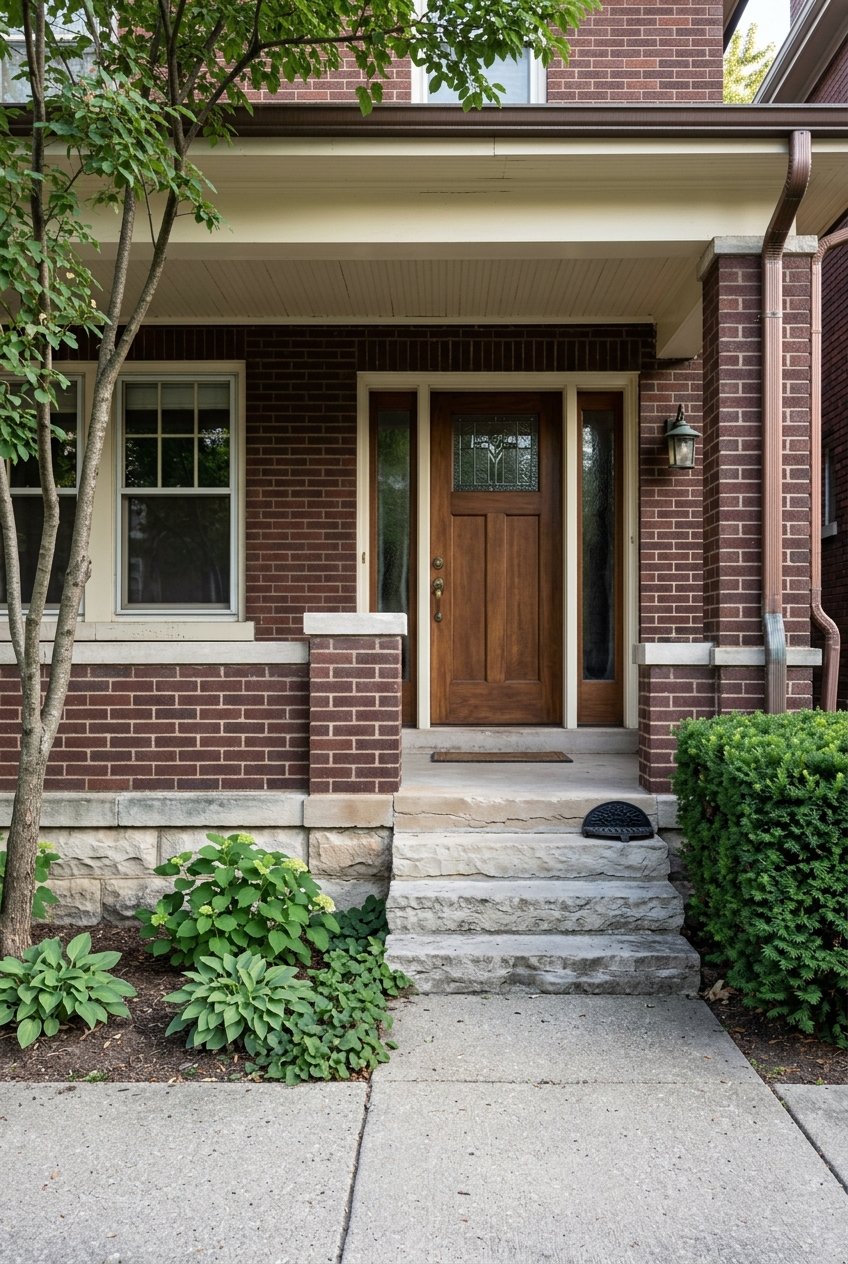
These homes often include details that buyers love, such as original wood trim, front porches, decorative gables, low-pitched roofs, brick or stucco exteriors, and more complex window patterns than you usually see in newer construction.
Many homes built between 1910 and 1930 were also modest in scale. Survey documents note that enclosed porches and traditional forms were often adapted to smaller city lots, which can create a practical footprint while still offering strong architectural character.
Historic style is not just about curb appeal. It often hints at what may need more careful repair later.
For example, original sash windows, decorative woodwork, and historic masonry can be some of the most appealing features in a home. They can also be the features most likely to call for skilled repair instead of quick replacement.
That does not mean you should avoid them. It means you should go in with realistic expectations about maintenance, timelines, and the kind of contractors you may need.
Older homes often need more hands-on care than newer properties. In historic homes, small exterior issues can turn into larger repair needs if they are ignored.
Water management is one of the biggest examples. Preservation guidance emphasizes the importance of clean gutters and downspouts, sound flashing, compatible mortar in masonry, and properly sealed window and door openings to keep moisture out.
If moisture gets in, a minor roof or gutter issue can lead to damage in masonry, windows, or even the foundation. That is why buyers should pay close attention to signs of deferred maintenance on the outside of the home, not just cosmetic finishes inside.
In many newer homes, replacement is the default answer when windows age. Historic homes are different.
Preservation guidance recommends inspecting historic windows carefully before deciding to replace them. Loose frames, broken glazing, failed weatherstripping, peeling paint, and signs of water or pest intrusion may point to repair needs rather than full replacement.
That repair-first mindset can affect both your budget and your renovation plans. It can also matter if the home sits in a locally designated district where exterior changes may need review.
If you are buying a single-family home, duplex, condominium, or townhome in St. Paul, the city requires a Truth-in-Sale of Housing report before the property is marketed for sale. This report is meant to provide basic disclosure about observed conditions.
Just as important, the city says the report is for disclosure only. It is not a substitute for your own independent home inspection.
That is especially important with historic homes, where age-related issues may be layered and not always obvious during a quick showing. A thorough inspection helps you understand what is routine maintenance, what is urgent, and what may affect your renovation plans.
The city’s handout on common deficiencies lists recurring items such as:
Some of these issues may be simple fixes. Others can point to broader system updates that should be priced into your decision.
When you tour or inspect a historic home in St. Paul, it helps to focus on the items most likely to affect cost and future work. A beautiful porch or original trim can be a great sign of character, but the less visible systems and exterior details matter just as much.
Here are some of the top areas to review closely:
Health-related materials should be part of your historic-home planning, especially if you expect to update finishes after closing. Homes built before 1978 are more likely to contain lead-based paint, and the EPA says 87% of homes built before 1940 contain some lead-based paint.
That matters because renovation activities such as sanding or window replacement can create hazardous dust. If your project could disturb lead-based paint, lead-safe practices are important.
Older homes may also contain asbestos in materials such as floor tile, pipe wrap, ceiling materials, or wallboard. Minnesota’s Department of Health also recommends that all Minnesota homeowners test for radon because any home can have a radon problem.
If you are buying a designated historic property, renovation planning may take more time than you expect. St. Paul says approval from Heritage Preservation is required for exterior projects on designated heritage sites or structures within locally designated heritage districts.
The city’s review process can cover construction, demolition, repairs, and exterior alterations. The city also notes that approvals in historic areas take longer than standard plan review.
That extra review time is not necessarily a deal breaker. It simply means you should build more time into your project schedule and confirm approval paths before you make major renovation plans.
St. Paul’s permit guide says that in a Historic Preservation Area, exterior work or repairs such as tuckpointing, siding, window replacement, and roof patching require a permit regardless of value.
The city also notes that plumbing, electrical, HVAC, and many other system changes require permits as well. For buyers, this reinforces the need to understand not just what you want to change, but what approvals and contractors may be needed to do the work properly.
Buying a historic home in St. Paul can be deeply rewarding. You get character, craftsmanship, and a connection to the city’s past that many newer homes simply do not offer.
At the same time, a smart purchase usually comes down to careful due diligence. You will want to confirm whether the home is designated, review the Truth-in-Sale report, order an independent inspection, and look closely at moisture control, windows, masonry, safety items, and any materials that could affect renovation work.
If you are drawn to St. Paul’s older homes, the right guidance can make the process feel much more manageable. The Cooking Real Estate Team can help you evaluate properties, understand what questions to ask, and move forward with a plan that fits your goals.

Buying or selling a home? The Cooking Real Estate Team will guide you, negotiate for you, and help you get the best results. Contact us to get started.
1625 Radio Dr STE 100 Woodbury, MN 55125-1854