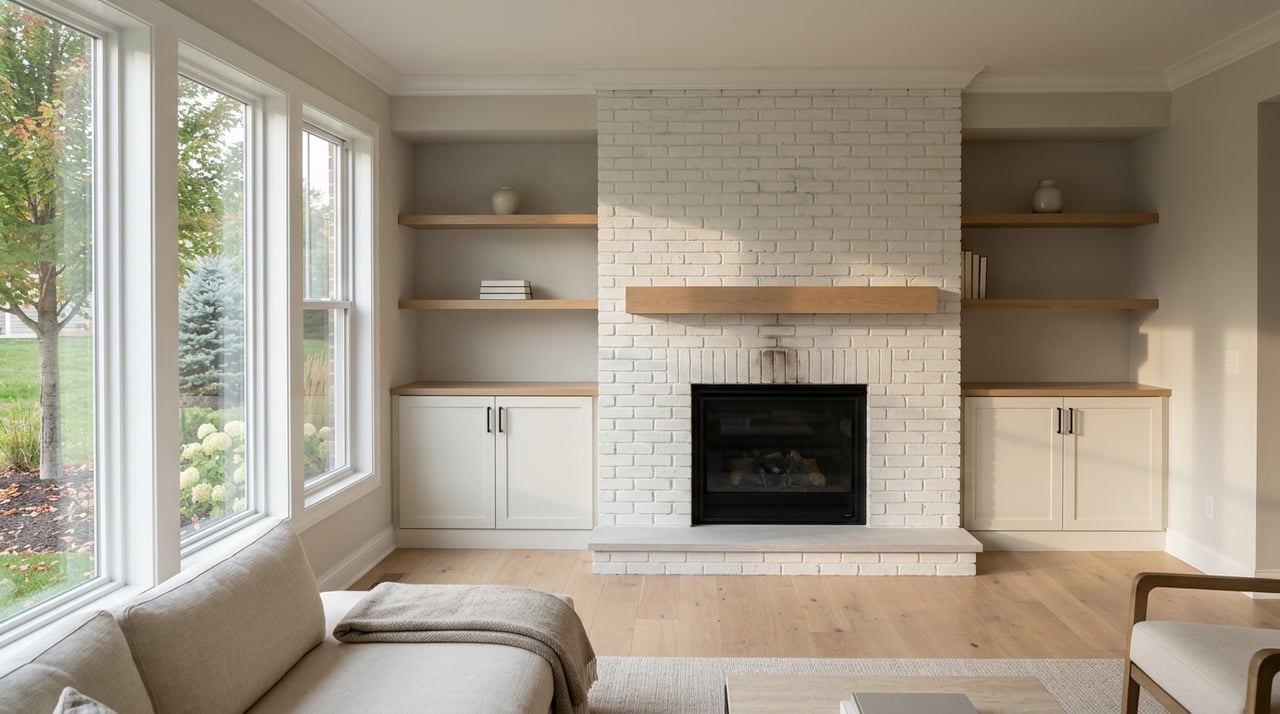
Rosemount MN New Construction: What Buyers Can Expect
June 18, 2026
June 18, 2026
If you are thinking about building a new home in Rosemount, you are not alone. This fast-growing Dakota County city has become a major spot for new construction, which means you have more choices, but also more decisions to make. From picking the right neighborhood and builder to understanding city timelines and warranty protections, knowing what to expect can help you move forward with confidence. Let’s dive in.
Rosemount is about 15 miles south of the Twin Cities metro and spans nearly 36 square miles. The city describes itself as a fast-growing residential community with housing options that include single-family homes, townhomes, condominiums, and affordable housing.
That growth is showing up in real numbers. Rosemount recorded more than $432 million in new permit valuation in 2024 and added 513 new dwelling units that year, including 260 single-family homes, 161 townhome units, and 92 apartments. If you are searching for a newly built home, that level of activity means Rosemount offers a wider range of opportunities than many nearby communities.
The city also identifies the County Road 42 and County Road 73 area as its primary growth corridor. Amber Fields alone is expected to build out to around 2,000 housing units, which gives buyers a sense of how much future development is still ahead.
In Rosemount, building new often means choosing within an active development rather than starting from scratch on a standalone lot. Current city inventory shows multiple active communities, including Amber Fields, GlenRose of Rosemount, Meadow Ridge, Prestwick Place, and Rosewood Estates.
You may also see a range of builders working in these neighborhoods, such as M/I Homes, Lennar, Pulte Homes, One Ten Ten Homes, Mark Elliot Homes, Ryan, Keyland, Brandl Anderson, and Garrett Company. That gives you variety, but it also means each community may have its own lot availability, plan options, design packages, and construction pace.
For many buyers, the process starts with three basic choices:
Those choices shape nearly everything that follows.
A resale home lets you evaluate a finished product. New construction is different because you are making key decisions before the home is complete, and sometimes before construction begins.
That usually means more front-end planning. You may need to compare neighborhoods, lot sizes, floor plans, exterior options, interior selections, timelines, and contract terms before you have something physical to walk through.
This can feel exciting, but it can also feel like a lot. A clear process and good guidance matter because each early decision can affect price, timing, and how the finished home fits your day-to-day life.
One of the biggest differences between new construction and resale is that a new home purchase also moves through a city review process. In Rosemount, the Building Permits and Inspections department handles permits and inspections for residential construction.
For a single-family home, the required submission package is detailed. It includes the permit application, construction plans with foundation insulation and radon-control details, a certificate of survey, a thermal-envelope worksheet, heat-loss and heat-gain calculations, a ventilation worksheet, and a site plan.
The city says complete residential plan review takes at least 10 working days. Its building permits page also notes current turnaround times of 4 to 6 weeks because of construction volume.
That timing matters when you are planning a move. Even if your builder handles the paperwork, city review can affect when construction starts and how quickly the project moves from one stage to the next.
Inspections are a normal part of building a new home in Rosemount. The city requires 24-hour notice for inspections, which means scheduling and coordination play a real role in keeping the project on track.
For you as the buyer, this is a reminder that construction timelines are not based only on labor and materials. They also depend on permit approvals, inspection availability, and whether each phase is ready to pass before the next one begins.
If you are buying on a tighter timeline, this is one of the most important expectations to set early.
One of the easiest mistakes in new construction is focusing too much on the advertised starting price. In reality, your total cost may include builder deposits, lot premiums, upgrades, closing costs, HOA dues where applicable, moving expenses, utilities, and future home purchases like window treatments or appliances if they are not included.
Closing costs typically run about 2% to 5% of the home price. Buyers should also plan for property taxes, insurance, repairs, and home improvements, even with a newly built property.
At the city level, Rosemount’s fee schedule adds another layer to keep in mind. Published fees include a $2,000 as-built survey escrow fee, along with separate trade permit fees such as plumbing and electrical fees.
Even when a builder covers some of those items, the bigger takeaway is simple: new construction comes with more line items than the purchase price alone.
In Rosemount, your design choices may be influenced by more than builder packages. The city uses planning tools like Planned Unit Developments, which can allow different zoning standards in exchange for higher standards on certain site or building elements.
In practical terms, that means one neighborhood may have different rules than another. Those rules can affect lot layout, building materials, and other design details recorded on the property.
Rosemount also publishes exterior-material standards for single-family and townhome construction. The city notes that homeowners’ associations may have additional requirements, so it is smart to confirm what is allowed before you fall in love with a certain exterior look or accessory structure plan.
It is easy to compare builders by floor plans, kitchens, and upgrade lists. Those things matter, but so does the builder’s licensing and professional track record.
Minnesota requires a residential building contractor license for companies that contract directly with a homeowner to build new structures. The Minnesota Department of Labor and Industry recommends checking the builder’s license number, disciplinary history, references, business address, local phone number, and written contract terms before signing.
That extra homework can protect you from problems later. It also helps you compare builders on more than just price.
Hiring a licensed contractor in Minnesota may also give you access to the Contractor Recovery Fund if a licensed contractor’s fraudulent, deceptive, or dishonest practices cause direct out-of-pocket loss. That is not the first thing most buyers think about when touring model homes, but it is a meaningful protection.
This is one reason experienced buyers look beyond finishes and incentives. A polished model home is helpful, but licensing, contract terms, and reputation are just as important.
If the home has not been built yet, the financial process often starts earlier than it would with a resale purchase. A builder may ask for an upfront builder deposit or earnest money before construction is complete.
You can also shop around for your mortgage lender instead of using a builder’s affiliated lender. That gives you room to compare options and choose the financing path that works best for you.
When possible, buyers should also look for contract terms that make the purchase contingent on financing and a satisfactory inspection. Those checkpoints can add an important layer of protection.
Even in an active market like Rosemount, new construction timelines are not always fixed. Municipal review, inspections, material availability, weather, and change orders can all affect the schedule.
That does not mean the process is unpredictable. It means you should expect some flexibility and ask clear questions about how the builder handles milestones, delays, and updates.
A realistic timeline is often better than an overly optimistic one. If you are coordinating a current home sale, lease ending, or relocation, that planning becomes even more important.
One major advantage of building new in Minnesota is the statutory warranty protection that comes with the home. State law requires:
These warranties begin when you take possession of the home. They also survive the transfer of title, which is an important point for long-term ownership.
If a defect appears, Minnesota law requires written notice to the builder and gives the builder a chance to inspect and propose repairs before litigation. The law says the builder must inspect within 30 days of notice and provide a written offer to repair within 15 days after the inspection.
For buyers, the practical lesson is to keep good records, communicate in writing, and understand the warranty process from the start.
If you are deciding between building and buying an existing home, the main difference is usually the number of decisions that happen before move-in. With new construction in Rosemount, you may need to choose the neighborhood, lot, floor plan, builder, finish package, and contract terms while also tracking city review and build progress.
With resale, the home already exists. You still have financing, inspections, and closing steps, but there are usually fewer build-stage decisions.
Neither option is automatically better. It depends on whether you value customization, timeline certainty, neighborhood choice, and how much decision-making you want to take on during the process.
A new-home purchase can look simple from the outside, especially when you walk through a polished model home. In reality, there are many moving parts behind the scenes.
That is where strong representation can make a difference. Comparing neighborhoods, understanding builder contracts, tracking timelines, reviewing change-order rules, and documenting punch-list and warranty items can help you stay organized and better protected from start to finish.
If you are exploring new construction in Rosemount and want a local team that values clear communication and practical guidance, connect with the Cooking Real Estate Team for help navigating your options.

Buying or selling a home? The Cooking Real Estate Team will guide you, negotiate for you, and help you get the best results. Contact us to get started.
1625 Radio Dr STE 100 Woodbury, MN 55125-1854