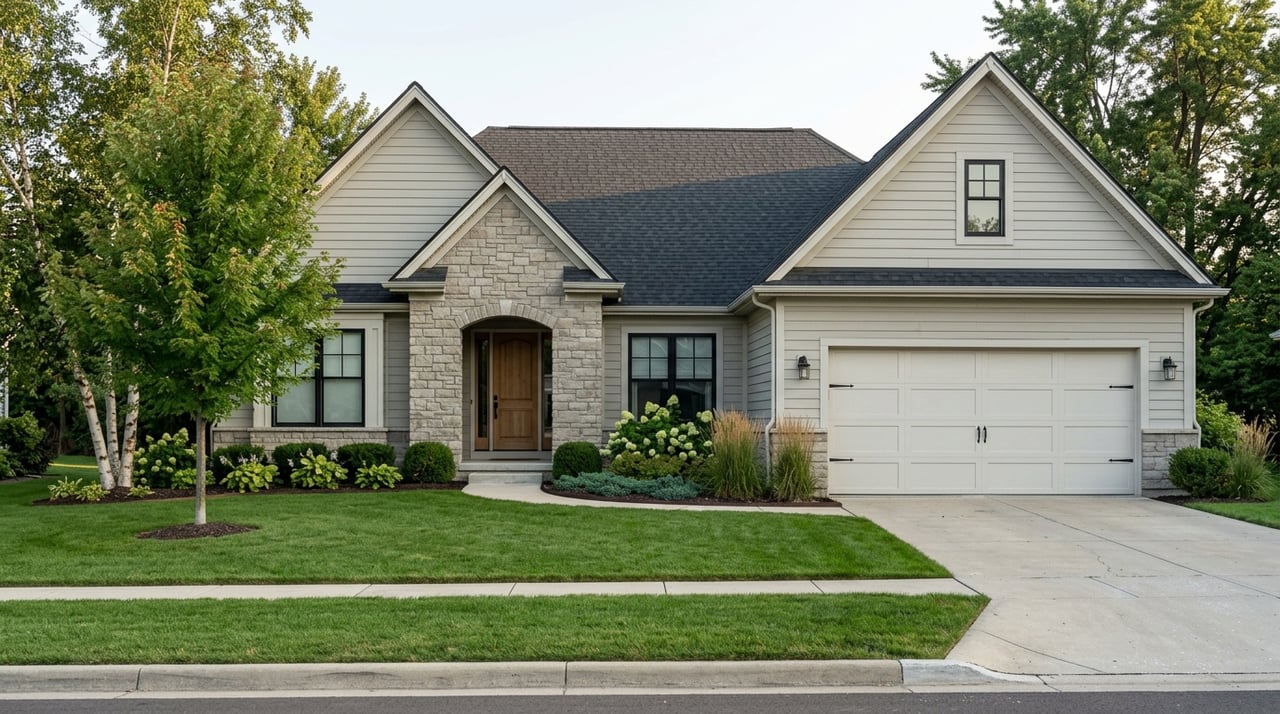
How To Compete As A Buyer In Popular Minneapolis Areas
July 9, 2026
July 9, 2026
If you are trying to buy in one of Minneapolis’s most popular areas, you are not imagining the pressure. Well-priced homes in the right neighborhoods can still move fast, attract multiple offers, and sell at or above asking price. The good news is that the market is not equally intense everywhere, which means you can compete more effectively when you understand where to be aggressive and where to stay protected. Let’s dive in.
Minneapolis remains competitive overall, but the numbers show a more nuanced market than buyers saw a few years ago. In May 2026, city data pointed to homes selling close to list price, with median days on market ranging from about 21 to 30 depending on the data source. Nearly half of Minneapolis homes sold above list price, while about a quarter had price drops.
That mix tells you something important. You are not walking into a market where every home demands an all-out bidding war, but you also cannot assume you have time to wait on the best listings. In popular pockets, strong homes still move quickly and often draw serious competition.
Citywide averages can help set expectations, but they are not enough to build an offer strategy. Minneapolis neighborhoods vary widely in price, pace, and how often buyers need to compete above asking price.
Realtor.com’s May 2026 snapshot showed a broad price range across the city. Southwest Minneapolis had a median listing price of $612,450, Linden Hills was at $837,500, Northeast Minneapolis was $339,900, and Powderhorn was $249,950. That spread alone shows why your budget, financing plan, and offer terms need to match the specific area you are targeting.
Some neighborhoods still require speed and clean terms. According to Redfin neighborhood data:
These are the areas where buyers often need to be fully prepared before the right home hits the market.
Not every popular Minneapolis area behaves the same way. North Loop, for example, showed a different pattern, with about 41 days on market, a 98.5% sale-to-list ratio, and average sales below list price.
That does not mean every North Loop listing is negotiable. It does mean you may have more leverage there than you would in Longfellow or Southwest Minneapolis. In practical terms, your offer strategy should reflect the neighborhood, not just the city headline.
The strongest buyer offers usually begin well before the showing. If you want to compete in popular Minneapolis neighborhoods, you need to know your budget, have your paperwork ready, and enter the search with a solid preapproval.
A preapproval helps signal that your financing is likely to work and that you are ready to move forward. It also helps you set realistic boundaries before emotions take over. That matters in Minneapolis, where one neighborhood may support above-list offers while another gives you more negotiating room.
A purchase price is only part of the picture. You also need to think through property taxes, insurance, closing costs, possible repairs, and any future payment changes tied to your loan structure.
That kind of planning protects you from stretching too far just to win. In a competitive area, confidence matters, but so does staying within a ceiling that still feels comfortable after closing.
One of the smartest ways to compete is to match your strategy to the submarket. A clean, fast offer may make sense in Longfellow, Southwest Minneapolis, or Northeast Minneapolis, where above-list sales and multiple offers are common. In North Loop, buyers may be able to preserve more negotiating power.
This does not mean there is one formula for every home in each neighborhood. It means neighborhood-level comps should guide how aggressive you are on price, timing, and contingencies.
If you are buying in one of the strongest Minneapolis submarkets, speed matters. A home that is priced well and shows well may not sit long enough for a slow decision process.
That is why it helps to define your must-haves, nice-to-haves, and absolute deal-breakers before touring. When the right property appears, you can act decisively without feeling rushed into a choice you have not thought through.
Some listings will sit longer or go through price reductions. Minneapolis data showed both above-list sales and price drops happening at the same time, which means buyers should not treat every listing like a bidding war.
If a home has been on the market longer, is priced above neighborhood norms, or has less competition, you may have more room to negotiate on price or terms. This is where discipline can save you money and reduce risk.
In a competitive market, contingencies are often where buyers feel the most pressure. Inspection and appraisal terms can affect how attractive your offer looks, but they also protect you if the home has issues or the value comes in lower than expected.
The goal is not to remove every safeguard. The smarter approach is often to tighten terms in a way that stays competitive without exposing you to unnecessary risk.
A home inspection gives you a chance to identify major problems before closing. In a hot Minneapolis neighborhood, a practical middle ground may be a shorter inspection window or a narrower inspection strategy rather than a full waiver.
That approach can make your offer cleaner while still giving you a way to evaluate the property. It is especially helpful when the house is getting heavy attention and the seller values certainty.
If a home appraises below your offer price, the deal may need to be renegotiated. That is one reason it is so important to know your hard ceiling before you write an offer.
In neighborhoods where homes often sell above list, buyers can get caught up in the competition. Staying grounded in neighborhood comps and your own financial limits helps you compete intelligently instead of chasing a win at any cost.
Price matters, but it is not always the only thing sellers care about. In at least one recent Southwest Minneapolis example, a competitive sale involved 23 offers and a sale-leaseback because that arrangement fit the seller’s needs.
The lesson for you is simple: useful non-price terms can strengthen an offer. Closing date flexibility, occupancy timing, and other practical details may matter more than pushing your price beyond what makes sense.
A stronger offer is not always the highest offer. Sometimes it is the offer that solves the seller’s biggest practical concern.
That is why buyer strategy should include more than numbers. When you know whether a seller wants a faster close, extra time after closing, or smoother contract terms, you can compete in a way that feels thoughtful and targeted.
If you want to compete in popular Minneapolis areas without overreaching, focus on preparation, neighborhood-specific strategy, and disciplined decision-making. The local data supports urgency in some areas, but it also supports patience in others.
A strong plan often looks like this:
The Minneapolis market is still competitive, but it is not one-size-fits-all. When you understand the specific neighborhood you are buying in, you can make cleaner decisions, stronger offers, and smarter tradeoffs.
If you want help building a strategy that fits your budget and target area, the Cooking Real Estate Team can help you compete with confidence across the Twin Cities.


Buying or selling a home? The Cooking Real Estate Team will guide you, negotiate for you, and help you get the best results. Contact us to get started.
1625 Radio Dr STE 100 Woodbury, MN 55125-1854